 admin
adminHave you ever wondered why some manufacturing processes deliver flawless results while others seem plagued with inefficiencies and errors? What if there was a way to eliminate mistakes, reduce waste, and achieve unparalleled quality in every product? The answer lies in precision engineering—an essential, transformative force that is redefining industry standards.
Precision engineering is no longer just a necessity for manufacturers; it’s the foundation of modern manufacturing. As industries strive for perfection in their products and processes, precision engineering solutions are providing the competitive edge that separates leaders from laggards. From aerospace to automotive, medical devices to consumer goods, precision engineering is driving the next wave of high-performance manufacturing.
Why Is Precision Engineering Critical for Modern Manufacturing?
In the contemporary manufacturing landscape, industries are under constant pressure to improve product quality while minimizing costs and reducing environmental impact. Traditional manufacturing methods, once adequate, are increasingly insufficient in meeting these demands. These outdated methods often lead to excessive waste, delays, and variability in product outcomes. This is where precision engineering steps in. By leveraging advanced technologies and methodologies, precision engineering guarantees accuracy, consistency, and efficiency.
Precision engineering solutions utilize cutting-edge tools like CNC machining, laser cutting, and 3D printing to achieve unmatched precision. These techniques ensure that every component is manufactured to exact specifications, reducing errors and enhancing the reliability of the final product. In a world where even a millimeter of inaccuracy can be the difference between success and failure, precision engineering is the backbone of modern manufacturing.
The Role of Precision Engineering in Overcoming Manufacturing Challenges
Manufacturing today faces several major challenges, such as inconsistent product quality, high production costs, and long lead times. These problems not only undermine productivity but can also damage a company’s reputation and erode customer trust. Precision engineering solutions are tailored to address these pain points directly, offering manufacturers a path toward improved outcomes.
1. Reducing Errors and Improving Consistency
Advanced measurement systems, a hallmark of precision engineering, ensure that every part is produced to exact specifications, aligning with the strictest tolerances. This dramatically reduces the chances of errors and the need for costly rework. For example, automated inspection systems use laser scanning to compare the finished product against its digital blueprint, ensuring each component meets the required standards. As a result, product consistency improves, and errors that might have otherwise gone undetected are caught early in the process.
2. Lowering Production Costs
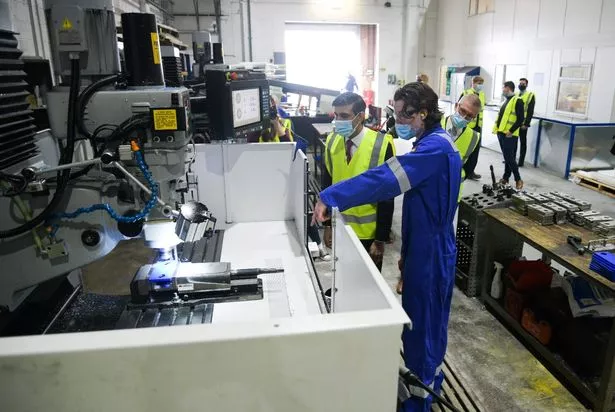
Automation is another significant advantage of precision engineering. Automated processes, driven by smart machines and robotics, reduce labor costs and speed up production timelines. For instance, automated CNC machines can run 24/7, producing high-quality parts with minimal human intervention. The result is a significant reduction in labor costs and operational downtime, leading to overall cost savings.
3. Shortening Lead Times
Precision engineering techniques, particularly additive manufacturing (3D printing), can drastically reduce lead times. With 3D printing, manufacturers can rapidly prototype designs and produce complex components with minimal setup time. This ability to quickly go from concept to product makes precision engineering a powerful tool for companies looking to meet tight deadlines and rapidly respond to market demands.
The Sustainability Benefits of Precision Engineering
Sustainability is no longer a buzzword but a vital business strategy. Manufacturers are under increasing pressure to reduce their environmental footprint, but achieving sustainability without compromising on quality is no easy task. Precision engineering provides a way forward by enabling manufacturers to optimize their processes and minimize waste.
1. Waste Reduction
One of the core tenets of precision engineering is minimizing waste, which can be achieved through more accurate and efficient manufacturing techniques. For example, precision machining allows for components to be made to exact dimensions, which reduces the amount of material needed and minimizes scrap. Similarly, additive manufacturing—such as 3D printing—produces parts layer by layer, resulting in far less material waste compared to traditional subtractive methods.
2. Energy Efficiency
By reducing material waste and enhancing production efficiency, precision engineering also contributes to lower energy consumption. Processes like CNC machining and laser cutting are optimized to use the least amount of energy possible, further reducing a company’s environmental footprint.
3. Sustainable Materials
The use of precision engineering also extends to the careful selection of materials. By producing parts that are precisely tailored to their applications, manufacturers can ensure they are using the most efficient materials, which can often be recycled or repurposed more easily.
Precision Engineering as a Catalyst for Innovation
Innovation is at the heart of any successful manufacturing enterprise. Precision engineering provides the tools that fuel this innovation, enabling manufacturers to push the boundaries of what’s possible. Whether it’s developing cutting-edge medical devices or designing ultra-lightweight components for the aerospace industry, precision engineering solutions provide the foundation for breakthrough products.
1. Advancements in Medical Technology
The medical device industry is one area where precision engineering has truly revolutionized product development. Components used in medical devices must meet extremely tight tolerances to ensure they function reliably and safely. Precision engineering enables manufacturers to produce these components with the level of detail and accuracy needed to support life-saving technologies. For example, 3D-printed implants allow for custom solutions that fit the unique anatomy of individual patients, improving both outcomes and patient satisfaction.
2. Aerospace and Automotive Industries
In the aerospace and automotive sectors, every gram counts. Components must be lightweight but durable, capable of withstanding extreme conditions. Precision engineering allows for the design and production of parts that meet these stringent requirements. Take the case of high-performance turbine blades used in jet engines. These blades must be made with extreme precision to ensure optimal performance. Manufacturing these parts with precision can enhance fuel efficiency, reduce emissions, and improve overall aircraft performance.
3. Nanotechnology and Electronics
Nanotechnology is another area where precision engineering is essential. In industries like electronics and biotechnology, precision engineering techniques allow manufacturers to create components at the nanoscale. These components, often smaller than a human hair, must be produced with extraordinary accuracy to function properly. Precision engineering is therefore the enabler of many cutting-edge technological advancements that drive the future of electronics, computing, and medicine.
Enhancing Competitive Advantage with Precision Engineering
In today’s hyper-competitive market, staying ahead requires more than just producing high-quality products. Companies must be efficient, adaptable, and responsive to market changes. Precision engineering offers manufacturers the tools to achieve all of these goals.
1. Automation and Smart Manufacturing
Precision engineering facilitates the implementation of automation, which streamlines operations and enhances productivity. For instance, automated CNC machines and robotic arms ensure that manufacturing processes run smoothly and without interruption. With predictive maintenance systems powered by precision sensors, manufacturers can anticipate and prevent equipment failures, further minimizing downtime and ensuring continuous production.
2. Reducing Lead Times for Faster Time-to-Market
Companies that adopt precision engineering technologies can shorten their product development cycles, allowing them to bring products to market faster. This time-to-market advantage can be the difference between success and failure in industries where consumer demand changes rapidly. By using advanced design and prototyping tools, manufacturers can quickly iterate on product designs and make adjustments before final production.
Can Small and Medium-Sized Enterprises (SMEs) Benefit from Precision Engineering?
Many small and medium-sized enterprises (SMEs) assume that precision engineering solutions are only accessible to large corporations with deep pockets. However, this is no longer the case. With the availability of affordable tools like desktop CNC machines, 3D printers, and open-source software, SMEs can now access the same level of precision previously reserved for larger players.
1. Affordable Technology Solutions
Desktop CNC machines and 3D printers have become more affordable and accessible, allowing small businesses to produce high-quality components with minimal investment. For example, a small business that specializes in custom jewelry or small parts manufacturing can use precision engineering tools to produce detailed designs quickly and at a fraction of the cost of traditional methods.
2. Competing with Larger Companies
Precision engineering levels the playing field for SMEs, allowing them to offer superior products and compete directly with larger companies. By leveraging precision tools and processes, SMEs can improve the quality of their products, reduce lead times, and enhance their customer service, giving them a competitive advantage in their respective markets.
The Role of Digital Transformation in Precision Engineering
Digital transformation is reshaping every aspect of the manufacturing industry, and precision engineering is no exception. Technologies like the Internet of Things (IoT), artificial intelligence (AI), and digital twins are expanding the capabilities of precision engineering, making processes smarter, faster, and more efficient.
1. Internet of Things (IoT)
IoT sensors are used to collect real-time data on machine performance, which can be used to make precise adjustments during production. These sensors monitor everything from temperature and humidity to pressure and speed, ensuring optimal conditions for manufacturing. This constant flow of data enables manufacturers to improve efficiency and reduce the risk of errors.
2. Artificial Intelligence (AI)
AI-powered systems can analyze vast amounts of production data to identify trends, predict maintenance needs, and optimize processes. For example, AI can predict when a machine is likely to fail, allowing manufacturers to schedule maintenance before the failure occurs. This reduces downtime and ensures a smooth, continuous production process.
3. Digital Twins
Digital twins are virtual replicas of physical objects or systems, and they allow manufacturers to test and refine processes before implementing them on the shop floor. By using a digital twin of a manufacturing system, engineers can simulate different scenarios and identify potential issues, leading to more efficient and effective solutions.
What’s Next for Precision Engineering in Manufacturing?
The future of precision engineering is filled with exciting possibilities. Emerging technologies like quantum computing and advanced robotics will push the boundaries of what is possible, allowing manufacturers to achieve even higher levels of precision, speed, and efficiency.
1. Quantum Computing
Quantum computing holds the potential to revolutionize manufacturing by enabling simulations of complex systems that are impossible to model with classical
computers. This could lead to breakthroughs in material science, supply chain optimization, and product design.
2. Advanced Robotics
Next-generation robots will be able to perform tasks with even greater precision and speed. By combining robotics with AI and machine learning, manufacturers will be able to automate even the most complex and intricate tasks, further improving the efficiency of their operations.
Conclusion: Unlock the Full Potential of Your Manufacturing Process with Precision Engineering
Precision engineering is not just a set of tools; it is a philosophy and approach that can transform your entire manufacturing process. By embracing precision engineering, you can eliminate inefficiencies, reduce waste, and improve product quality, all while supporting innovation and sustainability.
Whether you are a large corporation or a small business, the benefits of precision engineering are undeniable. Don’t let outdated manufacturing methods hold you back—explore the world of precision engineering and unlock your business’s full potential. Start today by investing in the latest technologies and solutions that will help you achieve excellence in your manufacturing processes.


 admin
admin