 admin
adminAre you struggling with unpredictable crop yields and rising farming costs? Do you find it challenging to keep up with the growing demands of food production, while also striving for sustainability and profitability? What if cutting-edge technology could give you complete control over every aspect of your farming operations, transforming the way you grow crops and manage your land?
Welcome to the future of farming. Precision agriculture, powered by advanced agricultural equipment and data-driven solutions, is revolutionizing the way crops are grown and managed. With the global population continuing to rise and the demand for sustainable food production becoming more critical than ever, traditional farming methods can no longer keep pace with these evolving needs. Precision agriculture is here to address those challenges, offering farmers innovative tools to boost crop yields, reduce waste, and maximize efficiency.
This comprehensive guide explores how precision agricultural equipment is transforming the farming industry, providing unmatched benefits for farmers while tackling critical challenges faced in modern-day agriculture. Whether you’re looking to improve sustainability, enhance productivity, or reduce costs, precision agriculture offers the roadmap to success.
Why Precision Agriculture is a Game-Changer
Farming has always been a complex endeavor, requiring a delicate balance of managing land, water, and resources. However, traditional farming methods often rely on guesswork, experience, and a lack of detailed data—leading to inefficiencies, inconsistent results, and resource waste. Precision agriculture eliminates this uncertainty by combining advanced equipment, sensors, and analytics to provide actionable insights, helping farmers make data-driven decisions for better outcomes.
Data-Driven Decisions for Maximum Yield
The core of precision agriculture lies in understanding exactly what your crops need—whether it’s nutrients, water, or pest control—at any given time. By gathering and analyzing real-time data from various sources, precision agricultural equipment ensures that every decision is based on accurate information. This targeted approach improves not only crop yields but also the quality of produce, leading to healthier, more profitable harvests.
Precision agriculture also promotes sustainability. By using resources efficiently—applying water, fertilizers, and pesticides only where necessary—farmers can reduce input costs, minimize environmental impact, and promote long-term soil health. Precision agriculture isn’t just about higher yields; it’s about cultivating a more sustainable and efficient farming system that will endure for generations.
Imagine a farm where every decision is backed by real-time data, where equipment works in harmony with the environment, and where yields consistently exceed expectations. That’s the power of precision agricultural equipment.
The Pain Points of Traditional Farming
For centuries, farmers have faced the same recurring challenges: unpredictable weather, fluctuating market demands, limited resources, and the constant need for labor. These obstacles have made it difficult to maintain consistent yields and profitability. Despite technological advances over the years, many farmers still rely on traditional methods that lack the precision and efficiency needed to address modern-day challenges.
Environmental Impact of Overuse
In traditional farming, the overuse of water, fertilizers, and pesticides not only increases costs but also contributes to environmental degradation. Runoff from fertilizers and pesticides can contaminate water sources, while excessive irrigation depletes freshwater reserves and damages soil structure. This inefficiency hurts both farmers and the environment.
Climate Change and Resource Scarcity
With climate change exacerbating droughts, floods, and temperature extremes, farmers must adapt quickly to changing conditions. However, traditional farming techniques make it difficult to respond to such fluctuations in a timely and effective manner. The inability to precisely monitor and manage resources leads to crop stress, reduced yields, and increased financial risk.
These pain points emphasize the urgent need for a more efficient, data-driven approach to farming. Precision agriculture offers a solution that addresses these issues directly, providing farmers with the tools and technologies they need to succeed in the face of modern challenges.
How Precision Agricultural Equipment Transforms Crop Yields
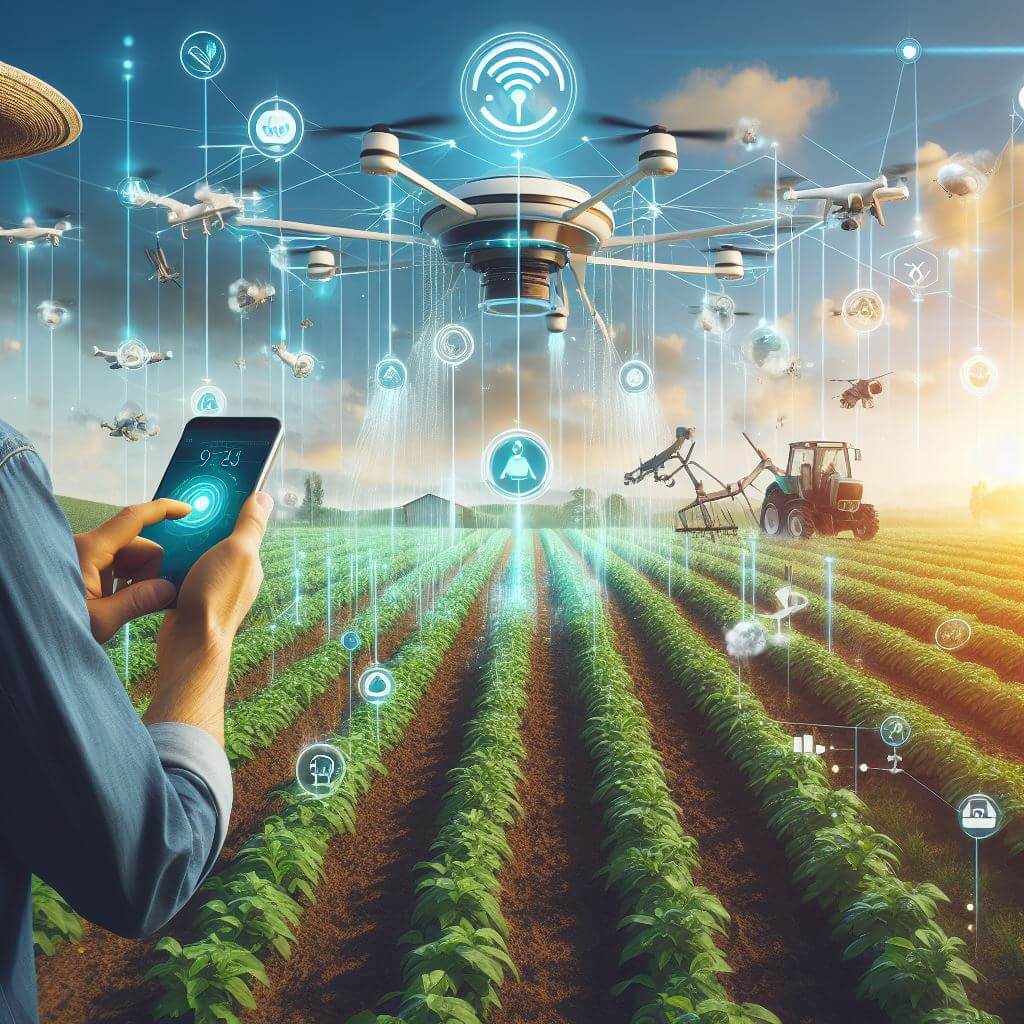
Precision agricultural equipment combines state-of-the-art technology with practical farming applications, enabling farmers to make smarter, more informed decisions. At the heart of precision agriculture is the use of data—gathered from sensors, GPS systems, drones, and satellite imagery—to optimize crop management practices and improve efficiency.
GPS-Guided Equipment for Precision Planting and Fertilization
One of the key advancements in precision agriculture is the use of GPS-guided machinery. Tractors, planting machines, and fertilization equipment that are equipped with GPS technology ensure that crops are planted with the utmost precision, reducing overlap and minimizing gaps in planting. This level of accuracy not only reduces seed and fertilizer waste but also helps create a more uniform crop stand.
GPS technology allows farmers to make precise decisions based on the unique conditions of each field, rather than relying on generalized approaches. This results in more efficient use of resources and higher-quality yields.
Drones and Satellite Imagery for Crop Monitoring
Drones and satellite imagery are also transforming the way farmers monitor their fields. These technologies allow for aerial views of the entire field, offering insights into crop health, growth patterns, and areas that need attention. With the help of high-resolution imagery, farmers can detect early signs of pest infestations, nutrient deficiencies, or water stress—long before they become visible to the naked eye.
By identifying problem areas early, farmers can take corrective action to prevent crop damage and optimize growth conditions, resulting in healthier, more productive crops.
Soil Sensors for Real-Time Data on Soil Conditions
Soil sensors are another powerful tool in the precision agriculture toolkit. These sensors analyze soil composition and moisture levels in real time, giving farmers an in-depth understanding of their soil’s health. By monitoring soil conditions more accurately, farmers can apply water and nutrients only where needed, minimizing waste and improving crop growth.
For example, soil sensors can detect changes in moisture levels across different areas of a field, enabling farmers to adjust irrigation schedules and fertilizer applications in real time. This ensures that crops receive exactly what they need to thrive, without overusing resources.
Automated Irrigation Systems for Water Efficiency
Water scarcity is one of the most pressing challenges faced by farmers, especially in regions prone to drought. Automated irrigation systems are a game-changer, delivering the right amount of water to crops at the right time. These systems adjust to weather conditions, ensuring that crops are consistently hydrated without wasting precious water resources.
By integrating weather forecasts and soil moisture data, automated irrigation systems optimize water use, reducing waste and improving crop yields. This level of precision is critical in ensuring that crops receive optimal hydration while conserving water.
Key Innovations Driving the Future of Precision Agriculture
The rapid evolution of technology has brought a host of innovations to the agriculture sector. These advancements are helping farmers optimize every aspect of their operations, from planting and irrigation to harvesting and logistics.
Artificial Intelligence and Machine Learning
Artificial intelligence (AI) and machine learning are playing an increasingly important role in precision agriculture. These technologies analyze vast amounts of data to predict crop performance, identify potential risks, and recommend actions for improving productivity. By using AI to analyze historical data and real-time inputs, farmers can make better decisions, anticipate challenges, and optimize their operations.
For example, AI-powered systems can predict pest outbreaks or diseases before they spread, enabling farmers to take proactive measures. Additionally, AI can help farmers optimize planting schedules, irrigation strategies, and nutrient management plans based on real-time weather and field conditions.
Internet of Things (IoT) and Smart Sensors
The Internet of Things (IoT) has brought a new level of connectivity to farming. By integrating IoT-enabled devices, farmers can connect every aspect of their farm, from machinery and sensors to weather stations and irrigation systems. These devices communicate in real-time, creating a seamless network that provides farmers with a holistic view of their operations.
IoT-enabled devices and smart sensors can track everything from soil moisture and temperature to crop health and machinery performance. This real-time data helps farmers make informed decisions and adjust practices to optimize yields.
Robotics in Agriculture
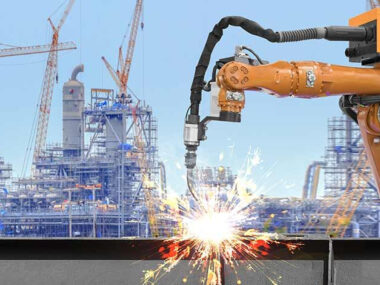
Robotics is another rapidly growing field in precision agriculture. Autonomous machines are now capable of performing tasks like planting, weeding, and harvesting with unprecedented accuracy. These robots reduce the need for manual labor, saving time and money while improving the consistency of farming practices.
Robotic harvesters, for example, can work around the clock, harvesting crops with precision and speed that humans simply cannot match. This reduces labor costs and ensures that crops are harvested at their peak, improving quality and minimizing waste.
Blockchain for Transparency and Traceability
Blockchain technology is also making its way into the agricultural sector. By recording every step of the supply chain on a decentralized ledger, blockchain ensures complete transparency and traceability. This technology allows farmers, distributors, and consumers to verify the origin and quality of produce, enhancing trust and accountability in the food supply chain.
By integrating blockchain into farming operations, producers can ensure that their products meet high-quality standards, while consumers can be confident in the safety and sustainability of the food they purchase.
The Benefits of Embracing Precision Agricultural Equipment
The advantages of precision agriculture extend far beyond improved crop yields. By adopting advanced equipment, farmers can achieve significant cost savings and improve the overall sustainability of their operations.
Cost Savings and Reduced Waste
Precision technology allows farmers to reduce the overuse of inputs like water, fertilizers, and pesticides, leading to substantial cost savings. By applying resources more efficiently, farmers can minimize waste while improving crop quality. This reduction in waste is not only good for the bottom line but also for the environment.
Sustainability and Resource Efficiency
Sustainability is a core benefit of precision agriculture. By using data to manage resources more effectively, farmers can reduce their environmental footprint, protect soil health, and conserve water. These sustainable practices align with global efforts to combat climate change and ensure food security for future generations.
Enhanced Resilience and Risk Management
Precision agriculture helps farmers become more resilient to changing weather patterns and market fluctuations. Real-time insights and predictive analytics provide farmers with the tools they need to adapt quickly to shifting conditions, reducing risks and improving the stability of their operations.
Empowering Farmers with Data
Perhaps most importantly, precision agriculture empowers farmers by providing them with the data and insights they need to make informed decisions. With access to real-time data on everything from soil conditions to crop health, farmers can optimize every aspect of their operations, from planting to harvesting.
Overcoming Barriers to Precision Agriculture Adoption
While the benefits of precision agriculture are clear, the adoption of these technologies can be challenging for some farmers. High initial costs, a steep learning curve, and access to specialized knowledge and training can create barriers to entry. However, these obstacles are increasingly being addressed through government subsidies, financing options, and educational programs.
Collaboration and Support
Collaboration between farmers, technology providers, research institutions, and agricultural organizations is key to overcoming these challenges. By working together, stakeholders can share resources, expertise, and support, ensuring that precision agriculture becomes accessible to all farmers.
The Future of Farming with Precision Agriculture
As technology continues to evolve, the future of farming looks brighter than ever. With the integration of AI, robotics, IoT, and blockchain, precision agriculture is poised to take farming to new heights. Autonomous machines, data-driven decision-making, and sustainable practices will be the cornerstone of modern agriculture, creating a more efficient, resilient, and sustainable food system.
A New Era for Farmers
The future of farming is one of innovation, efficiency, and sustainability. Precision agriculture is at the heart of this transformation, reshaping the farming landscape and ensuring that farmers can meet the growing demands of the global food system.
Conclusion: Unlock Your Farm’s Potential with Precision Agriculture
The future of farming lies in precision agricultural equipment, which is transforming crop yields, improving efficiency, and promoting sustainability. By embracing these technologies, farmers can overcome challenges, reduce costs, and achieve consistent success. Whether you’re looking to improve sustainability, adapt to changing conditions, or boost profitability, precision agriculture offers the tools and knowledge you need to thrive.
Don’t let traditional methods hold you back. Embrace the future of farming with precision agricultural equipment and unlock your farm’s true potential. For more insights and expert advice on implementing advanced agricultural solutions, visit here. The future of farming starts today—seize the opportunity to grow!

 admin
admin