 admin
adminAs engineers push boundaries in construction, infrastructure, and industrial projects, one question remains critical: how can we keep workers safe in high-risk environments? Engineering projects are becoming more complex, requiring innovative solutions to address potential hazards. With advancements in technology and safety practices, preventing accidents on complex sites is more feasible than ever.
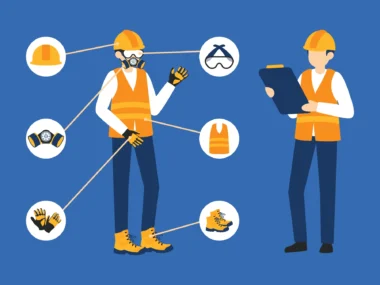
This guide explores groundbreaking safety innovations transforming engineering. From advanced protective gear to AI-driven systems, these technologies are not just enhancing productivity but are saving lives. Let’s examine how these advancements are revolutionizing workplace safety in engineering.
Why Safety Innovations Are Essential in Complex Engineering Projects
Increasing Complexity, Rising Risks
Engineering projects have become more ambitious, involving intricate designs, high-altitude work, and hazardous environments. Whether it’s constructing skyscrapers, offshore oil rigs, or large-scale infrastructure, workers face significant risks, including:
- Operating heavy machinery
- Exposure to toxic materials
- Navigating unstable terrains or confined spaces
According to the Occupational Safety and Health Administration (OSHA), construction is among the most hazardous industries, with thousands of injuries reported annually. In response, organizations are integrating cutting-edge safety technologies to mitigate risks and protect workers.
Testimonial: “We reduced workplace accidents by 40% after adopting wearable safety tech and real-time monitoring systems.” – Sarah T., Construction Safety Manager
Digital Safety Monitoring: Instant Awareness Saves Lives
Real-Time Alerts for Hazard Detection
Digital safety monitoring systems have transformed how engineers identify and respond to risks on job sites. These systems integrate IoT devices, GPS, and sensors to provide real-time data on environmental and operational conditions.
For example:
- Wearable Sensors: Track workers’ vital signs, movements, and exposure to hazardous elements like heat or gas.
- Machine Monitoring: Notify operators of potential malfunctions, ensuring timely repairs before incidents occur.
By delivering instant alerts, these systems prevent small issues from escalating into critical situations.
Centralized Control for Better Decision-Making
Modern monitoring platforms allow supervisors to access a centralized dashboard displaying real-time site conditions. Engineers can track:
- Worker locations
- Equipment performance
- Environmental factors
This comprehensive oversight improves decision-making, reduces downtime, and enhances worker safety.
Example: A construction firm used IoT-based monitoring to detect gas leaks early, evacuating workers before any harm occurred.
Augmented Reality (AR) and Virtual Reality (VR): Training Without Risks
Immersive Training for Hazardous Scenarios
AR and VR technologies are revolutionizing how engineers prepare for high-risk tasks. These tools create realistic simulations of dangerous environments, allowing workers to practice responses without physical exposure to hazards.
- VR Training: Simulates scenarios like operating heavy machinery, working at heights, or handling emergencies.
- AR Overlays: Provide real-time safety instructions directly in a worker’s field of vision.
This immersive approach equips workers with the confidence and skills to navigate challenging situations safely.
Reducing On-Site Accidents Through Preparation
Workers trained with AR and VR show a greater understanding of safety protocols, leading to fewer accidents. By simulating emergencies, these tools enable proactive decision-making during real-life crises.
Testimonial: “After implementing VR safety training, our employees felt more confident handling high-risk machinery.” – Carlos M., Industrial Engineer
Autonomous Machinery: Minimizing Human Exposure to Risks
Robots and Drones in High-Risk Tasks
Autonomous machinery has become indispensable in tasks too dangerous for human workers. Drones, robotic devices, and self-driving vehicles now perform roles like:
- Site Surveys: Drones inspect high-rise buildings or unstable terrains without risking human lives.
- Robotic Bricklaying: Automates repetitive tasks, ensuring precision and reducing worker fatigue.
- Hazardous Material Handling: Robots safely transport and dispose of toxic substances.
By using autonomous systems, engineers can complete projects efficiently while keeping workers out of harm’s way.
Enhancing Precision and Efficiency
Autonomous machinery operates with unmatched accuracy, reducing errors and improving project timelines. AI-driven algorithms enable these machines to adapt to dynamic environments, ensuring optimal performance.
Example: A bridge construction team used drones to monitor progress, identifying structural flaws early and avoiding costly delays.
Wearable Safety Tech: Personalized Protection
Smart Helmets: Beyond Basic Gear
Modern safety helmets are equipped with advanced features, including:
- Built-in cameras for live streaming
- Sensors to detect impacts or environmental hazards
- Communication systems for real-time updates
These innovations turn helmets into multi-functional tools that enhance worker safety and connectivity.
Safety Vests with Built-In Sensors
Safety vests now come with GPS trackers, heart rate monitors, and proximity alerts. These wearables monitor workers’ health and location, ensuring timely responses to emergencies.
Case Study: A mining company reduced incidents by 30% after equipping workers with GPS-enabled vests that prevented entry into hazardous zones.
Building Information Modeling (BIM): Safer Planning for Projects
Predictive Safety Through Digital Models
Building Information Modeling (BIM) software allows engineers to create detailed 3D models of structures before construction begins. These models integrate safety features and highlight potential hazards.
- Workflow Simulation: Identifies risks in construction sequences.
- Material Analysis: Ensures structural integrity under various conditions.
By incorporating safety considerations early, BIM reduces accidents during execution.
Collaboration Across Teams
BIM fosters collaboration between architects, engineers, and safety managers. This integrated approach ensures that safety protocols are built into every phase of the project.
Testimonial: “Using BIM, we identified a critical design flaw that could have endangered workers during assembly.” – Jamie L., Civil Engineer
Artificial Intelligence: Proactive Risk Management
Data-Driven Insights for Safety
AI-powered systems analyze vast datasets to predict and prevent accidents. By identifying patterns in:
- Accident reports
- Equipment maintenance logs
- Environmental data
AI helps engineers implement targeted safety measures.
Adaptive Safety Protocols
AI can adjust safety protocols in real time. For instance, if a worker enters a restricted area, the system can shut down nearby machinery automatically.
Example: A manufacturing plant reduced incidents by 25% using AI-driven risk analysis software.
Benefits of Adopting Safety Innovations
Reduced Workplace Accidents
Advanced technologies significantly lower injury rates by identifying and addressing risks early.
Increased Productivity
Safety innovations minimize disruptions caused by accidents, keeping projects on track and within budget.
Enhanced Worker Confidence
Equipping workers with state-of-the-art safety tools fosters a sense of security, improving morale and performance.
Challenges and Overcoming Them
High Initial Costs
Safety technologies often require significant upfront investments. However, long-term savings from reduced accidents and downtime make them cost-effective.
Resistance to Change
Workers may be hesitant to adopt new tools. Providing comprehensive training and demonstrating benefits can ease transitions.
FAQs About Safety Innovations in Engineering
Q: How do safety technologies impact project timelines?
A: While setup may require additional time, these innovations streamline workflows and prevent delays caused by accidents.
Q: Are these technologies suitable for small projects?
A: Yes, scalable solutions like wearable tech and AI systems benefit projects of all sizes.
A Safer Tomorrow with Cutting-Edge Innovations
Engineering is entering an era where safety and technology go hand in hand. Digital monitoring, autonomous machinery, and advanced training tools are revolutionizing how we protect workers on complex projects.
By adopting these innovations, engineers can create safer work environments, reduce risks, and achieve accident-free worksites. The future of engineering isn’t just about building better—it’s about building safer. With continued advancements, we move closer to a world where every worker returns home safe at the end of the day.


 admin
admin