 admin
adminWhen it comes to maintaining the structural integrity of a home, foundation issues are often the most concerning for homeowners. A strong foundation is crucial for the overall stability of a building, and any damage to it can lead to significant structural problems. However, repairing a foundation is not a simple task, and it comes with considerable costs. As a senior engineer with over 25 years of experience in the EPCI sector, I have seen firsthand how foundation repair projects can vary in complexity, scale, and cost. This article aims to provide a comprehensive breakdown of foundation repair costs and the essential factors that homeowners need to consider before undertaking such a project.
The Importance of Foundation Repair
A home’s foundation serves as its backbone. Over time, environmental conditions, such as soil movement, water damage, and even the natural settling of the ground, can weaken a foundation. The signs of a compromised foundation are usually noticeable: cracks in walls, uneven floors, doors and windows that don’t close properly, and visible cracks in the foundation itself. If these issues are left unchecked, they can lead to even more severe damage, potentially jeopardizing the safety of the building.
For homeowners, understanding the potential costs associated with foundation repairs is crucial. While the price tag can seem steep at first, addressing foundation issues early on can save significant money and effort in the long run. The cost of repairing a foundation will depend on several factors, including the severity of the damage, the type of repair required, and the geographical location of the home.
Factors Influencing Foundation Repair Costs
One of the main reasons for the variation in foundation repair costs is the type of foundation damage. Minor issues, such as small cracks in the walls, might only require surface-level fixes that are less expensive. However, more extensive damage, such as large foundation cracks, soil erosion, or shifting foundations, might require significant structural repairs. The complexity of the repair often dictates the final cost.
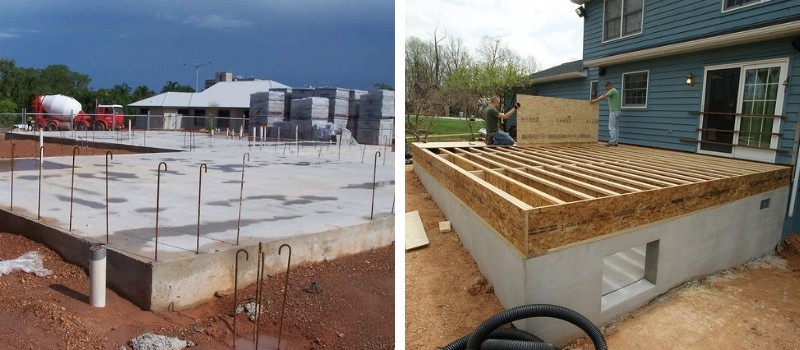
Another critical factor is the type of foundation the home has. Most homes in the U.S. are built with either slab foundations, crawl spaces, or basements, and each type presents unique challenges. For example, repairing a slab foundation often involves lifting the entire slab, injecting polyurethane foam beneath it, or using steel piers to stabilize the foundation. These methods can be more expensive than repairs to a crawl space or basement foundation, which might involve underpinning the foundation or reinforcing it with additional concrete supports.
Additionally, the geographical location of the property plays a vital role in determining the cost of foundation repairs. Homes located in regions with expansive clay soil, where the ground shifts significantly due to moisture changes, tend to experience more foundation issues. In such areas, specialized foundation repair techniques are required, which can increase the cost. On the other hand, homes in areas with stable soil conditions may face fewer foundation issues and lower repair costs.
The method of repair also significantly influences the overall cost. One of the most common methods used is piering, which involves drilling holes into the ground and inserting steel or concrete piers to stabilize the foundation. The cost of piering can vary based on the number of piers required and the depth of the holes. Another method is the use of slab jacking, which involves injecting a concrete mixture under the foundation to lift it back to its original position. This method is often more affordable but may not be suitable for all types of foundation damage.
The size of the home and the extent of the damage will naturally affect the overall cost. Larger homes with more extensive foundation issues will require more time, labor, and materials to repair, making them more expensive projects.
How Homeowners Can Save on Foundation Repair Costs
While foundation repairs can be costly, homeowners can take steps to minimize the financial burden. One of the best ways to save money is by being proactive and addressing any signs of foundation problems early. Catching small issues before they worsen can prevent the need for extensive and costly repairs down the line.
Homeowners should also get multiple quotes from different contractors before committing to a repair plan. This will provide a better understanding of the average costs in the area and allow for comparison of the services offered. It’s essential to ensure that the contractor has experience with foundation repair and is licensed and insured, as improper repairs can lead to more problems in the future.
Another way to save is by opting for financing options or payment plans that many contractors offer. Some companies allow homeowners to pay for repairs in installments, which can ease the financial strain. However, it’s crucial to review the terms of these plans to ensure that they are favorable.
Conclusion
Foundation repairs are a significant investment for any homeowner, but they are crucial for maintaining the structural integrity and safety of the home. Understanding the factors that influence foundation repair costs, such as the type of damage, the foundation style, and the geographical location, can help homeowners make informed decisions. While the process may seem daunting, addressing foundation issues early can prevent further damage and potentially higher costs in the future.
For engineers and construction professionals, understanding the nuances of foundation repair costs is essential when advising clients or managing projects. Homeowners must be educated about their options and prepared for the financial commitment involved in foundation repairs.


 admin
admin