 admin
adminWhat if the car of tomorrow didn’t need you behind the wheel? Imagine stepping into a vehicle that drives itself, effortlessly navigating traffic while you relax, work, or even nap. This futuristic scenario is no longer just a fantasy—it’s becoming reality. Autonomous vehicle (AV) engineering is evolving at a breakneck pace, promising to redefine how we travel and interact with the world around us.
But what does this transformation mean for our daily lives? Beyond convenience, autonomous vehicles promise profound changes, from improved road safety to reduced traffic congestion and environmental benefits. However, the journey toward fully self-driving cars is complex, requiring innovations in technology, changes in public perception, and clear regulatory frameworks.
Let’s delve into the world of autonomous vehicles to understand how they’re reshaping transportation and what challenges lie ahead.
Why Autonomous Vehicles Matter: Solving Real-World Problems
Tackling Road Safety
One of the most compelling arguments for autonomous vehicles is their potential to save lives. Today, over 90% of traffic accidents result from human error. From distracted driving to speeding, these mistakes have devastating consequences.
Self-driving cars eliminate these risks by relying on advanced systems that never tire, lose focus, or make emotional decisions. By replacing human drivers with AI-driven technology, AVs could reduce accidents significantly and make our roads safer for everyone.
Comparison: While human drivers may take several seconds to react to sudden obstacles, autonomous vehicles process and respond to threats almost instantaneously, thanks to their advanced sensors and algorithms.
Reducing Traffic Congestion
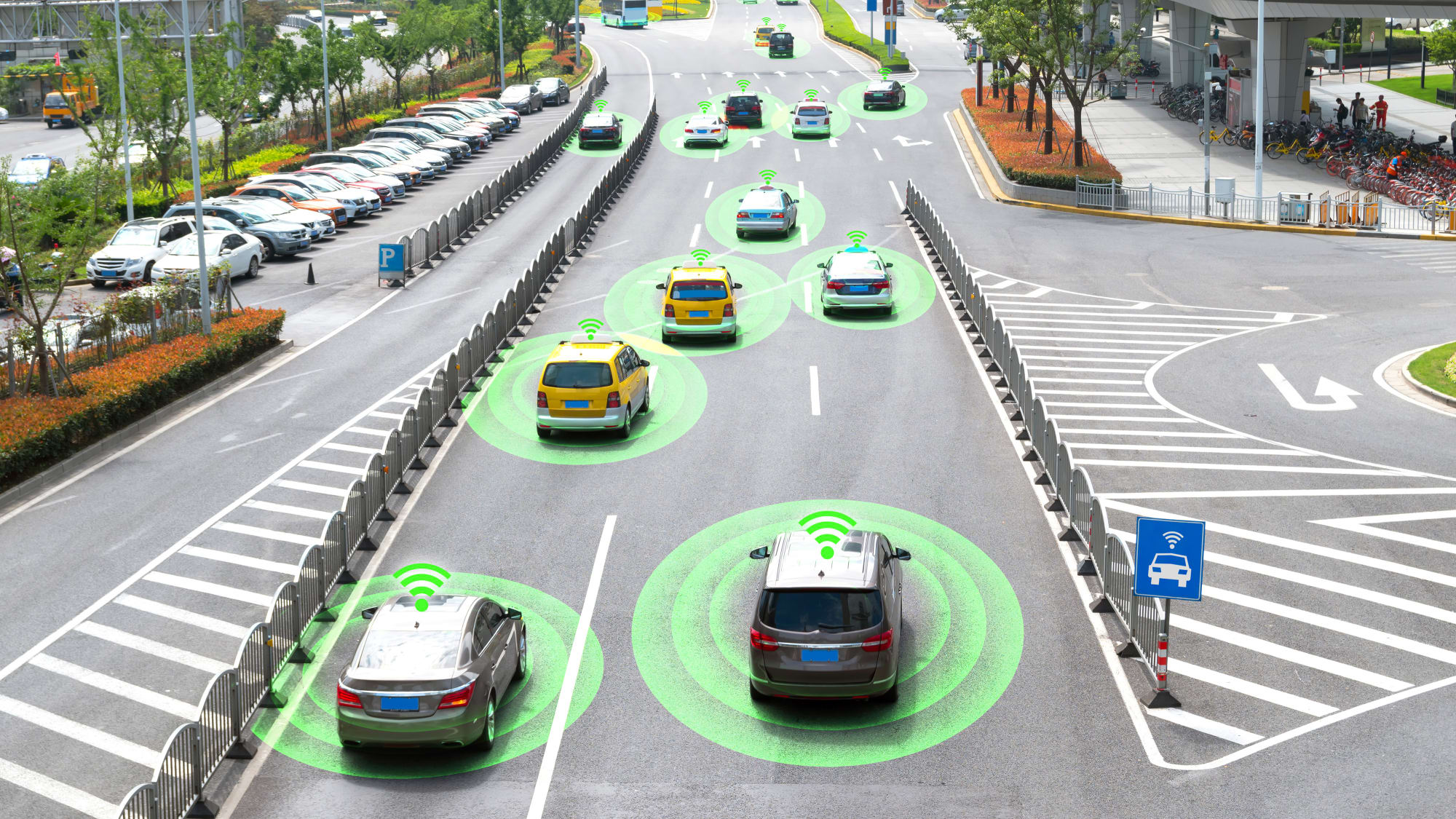
Urban areas worldwide grapple with traffic congestion, leading to wasted time and increased pollution. Autonomous vehicles can communicate with one another to optimize traffic flow, reduce bottlenecks, and prevent accidents that often cause delays.
- Example: Imagine a highway where every car travels at a consistent speed, maintaining safe distances automatically. Traffic jams become a thing of the past, and commutes are shorter and less stressful.
Testimonial: “After implementing autonomous shuttles in our downtown area, travel times dropped by 30%, and air quality improved noticeably.” – City Planner, San Jose, CA
Environmental Benefits
Autonomous vehicles are frequently paired with electric powertrains, creating a powerful synergy that benefits the environment. These vehicles not only reduce emissions by being electric but also optimize driving patterns to conserve energy.
- Impact: Fewer idling cars at intersections and smoother traffic flow mean reduced fuel consumption and lower greenhouse gas emissions.
Comparison: A fleet of autonomous electric vehicles can reduce urban emissions by up to 50% compared to traditional gasoline-powered cars.
The Technology Behind Autonomous Vehicles
Sensors and Perception: Eyes of the Car
At the heart of every autonomous vehicle lies an array of sensors that give it “eyes” to perceive its environment.
- Lidar: Uses laser beams to create a 3D map of the car’s surroundings.
- Cameras: Capture visual data for recognizing objects, road signs, and lane markings.
- Radar: Tracks the speed and position of nearby objects, especially in adverse weather.
By integrating data from these sensors, the vehicle forms a comprehensive understanding of its environment in real-time.
Analogy: Think of these sensors as the car’s senses, working together to ensure it “sees” and “feels” the world around it better than any human driver ever could.
Artificial Intelligence: The Brain of the Car
Artificial intelligence (AI) serves as the decision-maker for autonomous vehicles. It processes data from sensors, interprets road conditions, and makes split-second decisions to navigate safely.
- Machine Learning: Helps AVs improve over time by learning from past experiences, similar to how a human driver gains experience.
- Neural Networks: Mimic the human brain to analyze complex scenarios, like predicting the behavior of pedestrians.
Example: AI algorithms can differentiate between a plastic bag blowing across the street and a dog crossing the road, ensuring appropriate responses in each situation.
Vehicle-to-Vehicle (V2V) Communication
Imagine a world where cars “talk” to each other. Vehicle-to-vehicle communication enables autonomous cars to share data like speed, location, and road hazards in real time.
- Benefit: This real-time exchange prevents collisions, optimizes traffic flow, and ensures smoother travel experiences.
Future Vision: Highways filled with AVs operating as a synchronized system, drastically reducing the risk of multi-car pileups.
Mapping and Navigation
Autonomous vehicles rely on highly detailed maps, constantly updated with real-time data. GPS systems guide the car’s journey, while onboard sensors ensure precise navigation.
- Challenge: Maps must reflect changes like construction zones, new traffic signs, or road closures.
- Solution: Cloud-based systems allow continuous updates, ensuring accuracy for all AVs on the road.
Overcoming Challenges in Autonomous Vehicle Adoption
Ethical Dilemmas
Should an autonomous car prioritize the safety of its passengers or minimize harm to pedestrians in an unavoidable accident? These ethical questions remain a major hurdle.
Debate: Engineers, ethicists, and policymakers must collaborate to create standardized frameworks for ethical decision-making.
Regulatory Roadblocks
Governments are still developing policies for autonomous vehicles. Questions about liability, insurance, and safety standards need resolution before widespread adoption becomes feasible.
- Current Efforts: Countries like the U.S., Germany, and Japan are leading the way in creating AV-specific regulations.
Public Trust
For autonomous vehicles to succeed, they must gain public trust. Many people remain skeptical, fearing technical malfunctions or loss of control.
Solution: Extensive testing, transparent communication, and real-world demonstrations can help build confidence in AV technology.
The Future of Autonomous Vehicles
Smart Cities and Autonomous Infrastructure
The integration of autonomous vehicles with smart city infrastructure promises seamless transportation systems.
- Features: Intelligent traffic lights, connected road sensors, and automated parking systems will work in harmony with AVs.
- Outcome: Urban mobility becomes safer, faster, and more efficient.
Autonomous Freight and Delivery
Self-driving trucks and drones are revolutionizing logistics. These technologies reduce operational costs, improve delivery times, and enhance safety in the freight industry.
- Case Study: Companies like Tesla and Waymo are already testing autonomous trucks for long-haul routes.
Redefining Personal Mobility
Autonomous vehicles will transform personal travel by enabling shared mobility solutions. Ride-hailing services like Uber and Lyft are investing heavily in AVs to offer safer, more affordable rides.
FAQs About Autonomous Vehicles
Q: Are autonomous vehicles safe?
A: Yes, autonomous vehicles undergo rigorous testing to ensure safety. Their advanced sensors and algorithms often outperform human drivers in avoiding accidents.
Q: When will AVs become mainstream?
A: Experts predict widespread adoption by 2035, but this timeline depends on regulatory approvals and public acceptance.
Q: How much do autonomous vehicles cost?
A: While AVs are currently expensive, prices are expected to drop as technology advances and production scales up.
Embracing the Future of Transportation
Autonomous vehicles represent a transformative leap in transportation, offering safer, more efficient, and eco-friendly travel. While challenges like ethical dilemmas and public trust remain, the progress in AV technology is undeniable.
As engineers, policymakers, and technologists continue to innovate, the dream of self-driving cars is becoming a reality. The road ahead is exciting, and the destination promises a brighter, smarter future for everyone.

 admin
admin