 admin
adminIn today’s world, the rising costs of energy and the looming threat of climate change have made many homeowners question the sustainability of their current energy solutions. Do you ever feel like your monthly energy bills are draining your wallet and harming the planet at the same time? What if you could save money and reduce your environmental impact with one simple change? The good news is, you can.
The movement toward sustainable energy solutions has never been more important—and it’s easier to implement than you might think. From solar power to wind energy, sustainable energy solutions are transforming the way we power our homes. By transitioning to renewable energy sources, you can reduce your carbon footprint, cut down on energy costs, and secure a cleaner, more sustainable future for generations to come.
In this comprehensive guide, we’ll explore why sustainable energy solutions are the future of home power, the different types of renewable energy systems available, and how you can take the first step toward going green in your own home. Let’s dive in.
Why Sustainable Energy Solutions Are the Future of Home Power
For decades, homeowners have relied on traditional energy systems powered by fossil fuels like coal, natural gas, and oil. These non-renewable resources have been the cornerstone of global energy production, offering convenience and widespread availability. However, this reliance on fossil fuels has come at a significant cost. Rising energy prices, environmental degradation, and the environmental consequences of greenhouse gas emissions are just a few of the negative impacts that have prompted many to rethink their energy choices.
As climate change concerns continue to grow, and with the increasing demand for greener alternatives, the future of home power is undoubtedly green. Sustainable energy solutions harness the power of renewable resources—such as the sun, wind, and geothermal heat—to generate electricity and heat homes. These sources are not only inexhaustible, but also cleaner, safer, and more cost-effective in the long term.
What’s more, the cost of renewable energy technologies has dropped significantly over the years. Solar panels, wind turbines, and energy storage systems are now more affordable than ever before, making it easier for homeowners to make the switch to sustainable energy.
A Practical Choice for Homeowners
Switching to sustainable energy isn’t just an environmentally-conscious decision—it’s a practical one. The benefits of renewable energy go far beyond saving the planet; they directly impact your daily life and wallet. By harnessing the power of nature, you can:
- Slash Your Energy Bills: Renewable energy systems allow homeowners to generate their own power, reducing their reliance on grid electricity and lowering utility bills. In some cases, homeowners can even eliminate their energy costs entirely.
- Increase Your Property Value: Homes equipped with solar panels, wind turbines, or other energy-efficient features often have a higher resale value, making them more attractive to potential buyers.
- Enjoy Energy Independence: With a self-sufficient renewable energy system, you are no longer dependent on utility companies. This independence gives you peace of mind, knowing that your energy supply won’t be affected by rising fuel costs, power outages, or natural disasters.
The Pain Points of Traditional Energy Systems
Traditional energy systems that rely on fossil fuels have several inherent drawbacks that make them unsustainable, both financially and environmentally.
High Energy Costs
One of the most significant drawbacks of traditional energy systems is the rising cost of electricity. Utility companies frequently raise their rates to account for the fluctuating costs of fossil fuels, which means homeowners often face unpredictable and escalating energy bills. This can be especially challenging for families on fixed incomes or those struggling to make ends meet.
Environmental Impact
Fossil fuel-based energy production has a profound negative impact on the environment. The combustion of coal, oil, and natural gas releases harmful greenhouse gases into the atmosphere, contributing to global warming and climate change. In addition, mining and drilling for these fuels causes environmental degradation, such as deforestation, water pollution, and habitat destruction.
Vulnerability to Power Outages
Another major concern with traditional energy systems is the vulnerability of the grid. The electrical grid, which delivers power from central plants to homes, can be prone to outages due to aging infrastructure, natural disasters, or other disruptions. In regions that frequently experience storms, hurricanes, or other extreme weather events, power outages can last for days or even weeks, leaving homeowners without electricity for extended periods.
Dependence on Non-Renewable Resources
Fossil fuels are finite resources, meaning they will eventually run out. The continued extraction and consumption of these resources are unsustainable in the long term. As global demand for energy increases, the pressure on these resources grows, driving up costs and exacerbating environmental damage.
How Sustainable Energy Solutions Address These Challenges
Sustainable energy solutions offer an effective and reliable alternative to traditional power systems, addressing the challenges associated with high energy costs, environmental damage, and energy insecurity.
Renewable Energy Sources for Every Home
Renewable energy technologies are designed to provide homeowners with clean, reliable, and affordable energy. Here are some of the most popular sustainable energy options for your home:
1. Solar Power
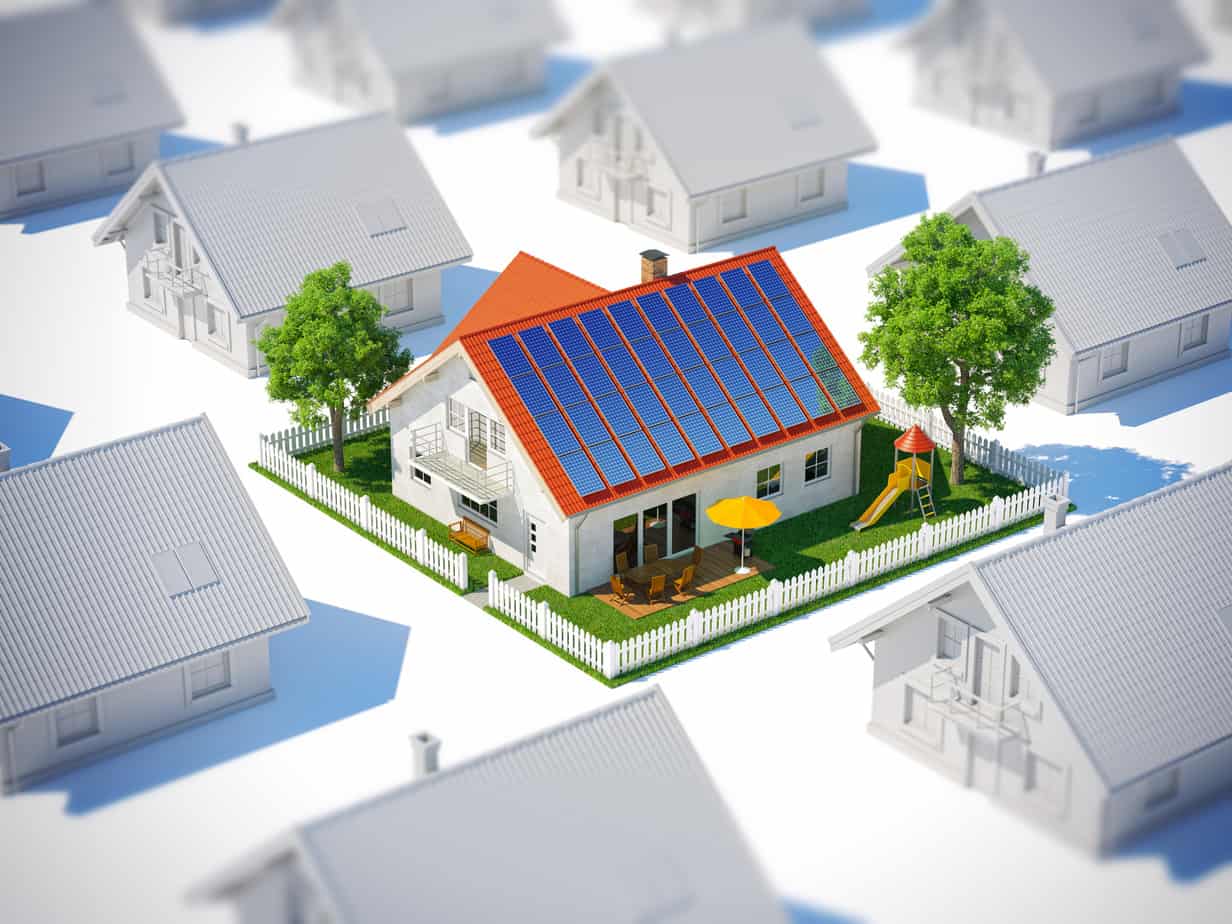
Solar energy is the most widely adopted form of renewable energy for residential use. Photovoltaic (PV) solar panels capture sunlight and convert it into electricity. This energy can be used to power your home, reducing or even eliminating your reliance on grid electricity.
With the declining cost of solar panel installation and the availability of government incentives, solar power has become an affordable and practical solution for homeowners. Plus, solar panels are durable and require minimal maintenance, making them a long-term investment that can provide energy savings for years to come.
2. Wind Energy
Wind power is another excellent option for homeowners, particularly those in rural or coastal areas with consistent wind speeds. Small-scale wind turbines can generate enough electricity to supplement or even replace traditional grid power. These systems are typically installed on a roof or in an open area of your property and can produce power even in moderate wind conditions.
Wind energy is a particularly attractive option for those with large properties or land that can accommodate the installation of a turbine. Like solar power, wind energy is renewable and produces zero emissions.
3. Geothermal Energy
Geothermal systems use the Earth’s natural heat to provide heating and cooling for homes. By tapping into the relatively constant temperature beneath the Earth’s surface, geothermal heat pumps can efficiently heat and cool your home without the need for fossil fuels.
Geothermal energy is incredibly efficient, offering up to four times the energy efficiency of conventional heating and cooling systems. It can reduce your overall energy consumption, lower your utility bills, and minimize your carbon footprint.
4. Hydropower
While hydropower is typically associated with large dams, small-scale hydropower systems can also be used for individual homes located near flowing water sources. Micro-hydro systems use the kinetic energy of flowing water to generate electricity. If you live on a river or stream, a micro-hydro system could be a great way to generate your own power while minimizing your impact on the environment.
Battery Storage Systems
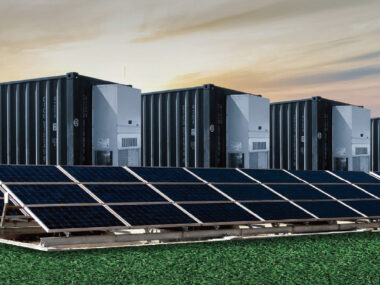
One of the biggest limitations of renewable energy systems like solar and wind is their intermittent nature—solar panels only produce power when the sun is shining, and wind turbines only generate electricity when the wind is blowing. However, battery storage systems can store excess energy produced during peak times, allowing homeowners to use it during low-production periods, such as at night or on cloudy days.
With the addition of a battery storage system, you can ensure a continuous supply of energy, even when natural resources aren’t producing at full capacity.
The Benefits of Going Green with Sustainable Energy
Switching to sustainable energy solutions offers a host of benefits beyond reducing your carbon footprint. Here’s why going green is the right choice for homeowners:
1. Lower Energy Bills
Perhaps the most immediate benefit of renewable energy is the significant reduction in your energy bills. By generating your own electricity, you reduce or eliminate your reliance on the utility grid, which means you’ll pay less each month for energy. In some cases, homeowners can even sell excess energy back to the grid, generating additional income.
2. Increased Property Value
Homes equipped with renewable energy systems are more attractive to potential buyers. Solar panels, wind turbines, and geothermal systems not only lower energy costs but also increase the resale value of a home. Homes with green features are in high demand, and they often sell for higher prices than conventional homes.
3. Environmental Benefits
By choosing renewable energy, you directly contribute to reducing greenhouse gas emissions, conserving natural resources, and protecting ecosystems. Renewable energy sources produce little to no pollution, helping to mitigate the negative impacts of climate change. Additionally, renewable energy systems have a much smaller environmental footprint compared to traditional power generation methods.
4. Energy Independence and Security
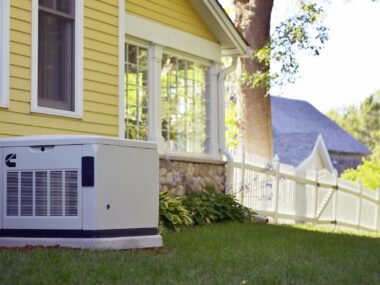
With your own renewable energy system, you no longer have to rely on utility companies or the power grid. This energy independence is especially valuable in regions prone to natural disasters or power outages. Battery storage systems and backup generators ensure that you can maintain power during emergencies, providing greater stability and peace of mind.
Overcoming Barriers to Adopting Sustainable Energy Solutions
While the benefits of renewable energy are clear, many homeowners still hesitate to make the switch due to concerns about cost, complexity, and feasibility. However, these barriers are becoming less significant as technology advances and support programs grow.
1. Cost and Financing Options
The upfront cost of installing renewable energy systems can be intimidating, but it’s important to view this as an investment in your home and future savings. Many homeowners find that the long-term savings on energy bills far outweigh the initial installation costs. Additionally, various financing options, such as loans, leasing programs, and tax incentives, can help offset the upfront expense.
2. Ease of Installation
Most renewable energy providers offer comprehensive installation services, ensuring a smooth and hassle-free transition. Professional installers handle everything from system design to permitting and installation, so homeowners don’t have to worry about the technical details. Maintenance and troubleshooting are also straightforward, with many systems requiring little upkeep.
The Future of Sustainable Energy for Every Home
The future of energy is undoubtedly green. As technology continues to evolve, renewable energy systems are becoming more efficient, more affordable, and more accessible. Innovations like smart grids, energy-sharing networks, and integrated storage solutions are transforming the way we think about energy.
Governments and organizations worldwide are ramping up their commitment to sustainability. Many countries offer tax credits, rebates, and incentives for homeowners who install renewable energy systems, making it easier than ever to go green.
By adopting sustainable energy solutions now, you can be part of this exciting shift toward a cleaner, more sustainable future.
Take the First Step Toward a Greener Future
Going green with sustainable energy solutions isn’t just a trend—it’s a necessity. As energy costs rise and environmental challenges grow, the need for renewable power has never been greater. By adopting sustainable energy solutions in your home, you can reduce your carbon footprint, cut down on energy costs, and secure a cleaner, more sustainable future for yourself and your family.
Don’t wait for another spike in your energy bill or the next power outage to take action. Explore your options, research the incentives available in your area, and connect with trusted providers who can help you make the switch to sustainable energy.
The future is green—are you ready to make the change? Visit here for more information on how to revolutionize your home with sustainable energy solutions and start your journey toward a greener, more efficient future today.

 admin
admin