 admin
adminThe world of building and construction is evolving faster than ever. If you’re involved in the construction industry, you’ve probably noticed a dramatic shift in how projects are completed—faster, more efficiently, and with fewer errors. Advanced construction equipment is reshaping the industry, transforming daunting tasks into manageable, streamlined operations. But how exactly are these innovations changing the future of construction? And why should you care about the tools you use?
Whether you’re a contractor, small business owner, or aspiring builder, understanding the latest advancements in construction technology is a game-changer. These innovations don’t just make jobs easier; they are transforming the entire industry—from design and planning to execution and maintenance. Today’s tools are smarter, faster, and more sustainable than ever before.
Let’s explore how these cutting-edge technologies are redefining the construction industry and why embracing them is crucial to staying competitive in an increasingly fast-paced world.
The New Age of Construction: Is It Technology or Transformation?
Imagine completing your construction project in half the time, with fewer errors and lower costs. What if traditional methods could be replaced by machines that work faster and more efficiently than any human crew ever could? This is no longer a futuristic concept—it’s a present reality, thanks to cutting-edge equipment designed for today’s challenges. Advanced machinery, autonomous vehicles, and robotics aren’t just improving efficiency; they are revolutionizing how we approach construction projects.
What makes this shift so significant is that construction is no longer about brute force or following rigid, outdated processes. The future of construction is all about precision, efficiency, and sustainability. With autonomous machines, 3D printing, drones, smart tools, and energy-efficient equipment at your disposal, the possibilities are endless. By adopting these groundbreaking tools, you can stay competitive, meet rising demands, and deliver projects that are not only cost-effective but also sustainable and innovative.
This revolution isn’t just about getting the job done quicker—it’s about getting it done smarter, safer, and with far less waste. So, what does this transformation look like? Let’s break down the major innovations that are shaping the construction landscape.
Autonomous Machines: The Builders That Never Rest
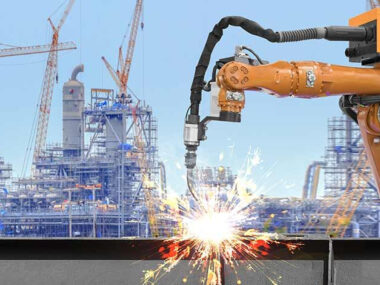
Imagine a construction site running smoothly without constant human oversight. The concept of autonomous construction machines has been in development for years, but now, we’re seeing these machines come to life on real job sites. Self-driving bulldozers, automated cranes, robotic arms, and other advanced equipment are designed to operate independently, reducing the need for human labor while improving precision and safety.
The Benefits of Autonomous Equipment
Autonomous construction machines are equipped with advanced sensors, GPS technology, and artificial intelligence, allowing them to perform tasks with remarkable accuracy. These machines can excavate land, lay bricks, or even assemble complex structures—all without missing a beat. By minimizing human error and maximizing efficiency, autonomous machines can work around the clock, making them ideal for large-scale, fast-paced projects. Here are some of the key benefits:
- Increased Precision: Autonomous equipment is built for accuracy. GPS-guided systems ensure that every cut, excavation, or movement is performed with precision down to the millimeter. This drastically reduces costly errors and delays on the job site.
- Fewer Labor Costs: Autonomous machines reduce reliance on human labor for repetitive, hazardous, or physically demanding tasks. This not only cuts costs but also helps mitigate labor shortages, a common challenge in the construction industry.
- Safer Work Sites: With autonomous systems handling the heavy lifting, the risk of human error and workplace accidents decreases significantly. Autonomous cranes and excavators can work in areas that would otherwise pose safety risks to human operators.
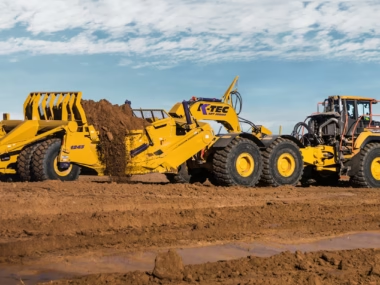
Real-World Example: Volvo Construction Equipment has made strides with their autonomous haulers. These self-driving trucks transport materials around large mining sites, reducing fuel consumption and labor costs while improving safety and efficiency. Caterpillar has also introduced autonomous bulldozers for grading and site preparation.
3D Printing: Redefining Building Possibilities
Imagine printing an entire building, layer by layer, instead of constructing it brick by brick. While this may have seemed like science fiction just a decade ago, 3D printing in construction is now a mainstream reality. This technology allows builders to create detailed structures using advanced materials like concrete, polymers, or composites.
The Impact of 3D Printing on Construction
3D printing offers builders an entirely new set of tools for customization and design flexibility. It enables the creation of complex geometries, intricate façades, and functional building components that would be nearly impossible with traditional methods. Key benefits include:
- Faster Construction: 3D printing significantly accelerates the construction process. Once the digital blueprint is ready, the printing process begins immediately, layer by layer. This reduces labor time and speeds up the overall project schedule.
- Less Waste: Traditional construction methods generate a lot of waste, as materials are cut and shaped to fit. With 3D printing, only the exact amount of material needed is used, minimizing waste and reducing environmental impact.
- Design Flexibility: 3D printing allows for complex, custom-designed structures that would be difficult or expensive to create using traditional methods. Architects can explore new forms and creative elements without worrying about how to physically build them.
- Cost Efficiency: While the upfront cost of 3D printing equipment can be high, the reduction in labor costs and material waste often offsets this expense in the long run. For businesses looking to optimize costs, 3D printing is an invaluable tool.
Real-World Example: In Dubai, the Dubai Municipality 3D printed an entire office building in just 17 days, demonstrating the potential for large-scale 3D printing in the commercial sector.
Drones: Eyes in the Sky for Better Oversight
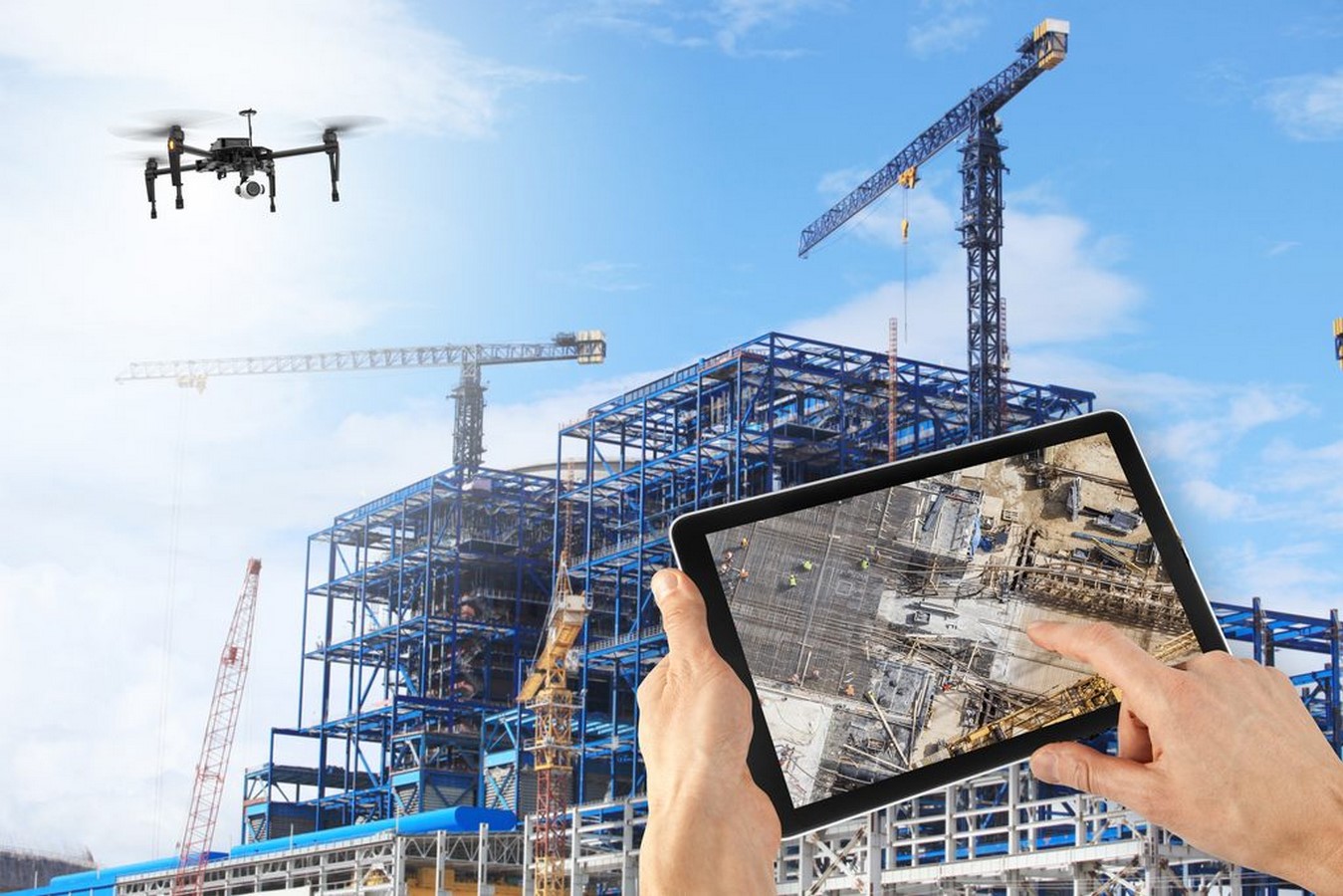
Drones are revolutionizing construction by offering real-time aerial views. These small, agile machines, equipped with powerful cameras and sensors, make it easy to survey, map, and monitor construction sites. Drones provide a wealth of data that would be impossible to gather with traditional methods.
How Drones Improve Construction Projects
Drones give contractors real-time insights and help with various tasks such as surveying, mapping, and inspections. Some key benefits include:
- Real-Time Aerial Views: Drones capture live footage of construction sites, enabling contractors to monitor project progress from above. This is particularly useful for large-scale projects where it’s challenging to keep track of everything from the ground.
- Improved Safety: Drones can inspect high-risk areas of a site, such as scaffolding, tall structures, or roofs. This early detection of issues reduces the need for workers to perform dangerous tasks.
- Time and Cost Savings: Drones speed up tasks like surveys and inspections, cutting down on labor costs and improving project timelines. What used to take days or weeks can now be completed in just hours.
Real-World Example: Skanska, one of the world’s largest construction companies, uses drones to perform site surveys, monitor progress, and assist with inspections. Their drones help identify potential safety hazards, improving on-site safety.
Energy-Efficient Equipment: Building a Sustainable Tomorrow
Construction is energy-intensive, but advances in energy-efficient machinery are helping reduce the industry’s environmental impact. The rise of electric and hybrid-powered construction equipment is enabling contractors to lower their carbon footprint while still delivering power for tough tasks.
The Advantages of Energy-Efficient Construction Equipment
As sustainability becomes a top priority, energy-efficient machines are driving down emissions and reducing operational costs. Key benefits include:
- Reduced Fuel Consumption: Energy-efficient equipment consumes less fuel, saving contractors money. This is particularly important with rising fuel prices.
- Lower Emissions: Electric and hybrid equipment help contractors meet stricter emissions regulations while lowering their carbon footprint.
- Quieter Operations: Many energy-efficient machines are quieter than traditional gas-powered equipment. This is ideal for construction in noise-sensitive areas.
Real-World Example: The Volvo EC950F Crawler Excavator is a hybrid machine that combines diesel and electric power to reduce fuel consumption and emissions, making it perfect for large-scale construction projects.
Virtual and Augmented Reality: Building Before You Build
What if you could walk through your building before laying the first brick? With virtual reality (VR) and augmented reality (AR), this is now a reality. These immersive technologies allow architects, engineers, and clients to experience projects in 3D before construction begins.
The Role of VR and AR in Modern Construction
VR and AR technologies are revolutionizing how construction teams plan, design, and collaborate. These tools allow stakeholders to interact with the building’s design in ways never possible before:
- Design Visualization: VR allows stakeholders to explore a 3D model of the building, helping to identify potential issues before construction starts.
- AR for On-Site Accuracy: AR overlays digital blueprints on the physical world, guiding workers on where to place materials and align structures, improving accuracy and efficiency.
- Improved Collaboration: Both VR and AR enable real-time collaboration, ensuring that all project stakeholders are on the same page.
Real-World Example: Trimble’s augmented reality tools allow construction workers to visualize plans in real-time on-site, reducing errors and boosting productivity.
Conclusion: Embracing the Future of Construction
The construction industry is on the cusp of a major transformation. Thanks to technological innovations, construction is becoming faster, smarter, and more sustainable. Autonomous machines, 3D printing, drones, energy-efficient equipment, and immersive technologies are reshaping how we build.
By embracing these tools and technologies, contractors, small business owners, and construction professionals can stay ahead of the competition, reduce costs, and enhance the quality of their projects. The future of construction is here—don’t get left behind.
Ready to take your construction projects to the next level? Explore more resources and expert insights on how these advanced tools can revolutionize your business. The future of building is now, and it’s full of possibilities.


 admin
admin