 admin
adminDo you ever wonder if our cities are prepared to meet the challenges of tomorrow? With rapid urbanization and a rapidly changing climate, the question is becoming more pressing. Cities are the heart of economic activity and innovation, but are our urban infrastructures ready to handle the complexities of the future? What if advanced engineering solutions could revolutionize urban infrastructure, making our cities more efficient, sustainable, and livable? This article dives deep into how cutting-edge engineering solutions are transforming urban environments, tackling major challenges, and paving the way for smarter cities that offer enhanced quality of life for their residents.
As urban populations soar and cities continue to expand, the strain on infrastructure becomes increasingly evident. Aging systems, traffic congestion, environmental concerns, and limited resources are just a few of the issues that cities face daily. The good news is that the solution lies in advanced engineering solutions that promise to address these challenges head-on and create more resilient, sustainable urban environments. Through the integration of smart technologies, innovative materials, and data-driven solutions, advanced engineering is reshaping urban living in profound ways.
In this article, we’ll explore how these advanced engineering solutions are revolutionizing urban infrastructure, enhancing the livability of cities, and creating sustainable, future-proof urban environments.
Why Urban Infrastructure Needs a Revolution
The Backbone of Urban Life
Urban infrastructure forms the backbone of our cities. Roads, bridges, public transportation, energy grids, and water systems are essential for daily life. They enable trade, foster economic growth, and provide the basic services that urban residents rely on. However, much of this infrastructure is outdated and ill-equipped to meet the growing demands of modern cities. The systems that were once designed to serve smaller, less complex populations are now struggling under the weight of rapid urban growth and climate change.
As cities continue to expand and populations increase, the need for smarter, more efficient infrastructure becomes even more critical. Today’s infrastructure challenges, from traffic congestion to energy shortages, require innovative solutions that not only enhance efficiency but also ensure sustainability and resilience.
Growing Urban Populations
According to the United Nations, more than 68% of the global population will live in urban areas by 2050. This shift will place unprecedented pressure on cities’ infrastructure systems, making it essential to modernize and improve them. Without urgent action, cities will face heightened risks of gridlock, water shortages, energy crises, and environmental degradation, all of which could undermine quality of life.
Advanced engineering solutions offer the key to solving these problems. By embracing technology, sustainable practices, and data-driven approaches, cities can evolve to meet the demands of the future while improving the well-being of their residents.
The Impact of Climate Change
The effects of climate change—rising sea levels, extreme weather patterns, and resource scarcity—are placing additional strain on urban infrastructure. Flooding, droughts, heat waves, and other environmental challenges require infrastructure that is more resilient, adaptable, and sustainable. As cities are forced to cope with these new realities, traditional infrastructure solutions are proving insufficient.
Urban infrastructure needs to adapt to these changing conditions. By utilizing advanced engineering solutions, cities can integrate climate resilience into the fabric of their infrastructure systems, reducing vulnerabilities and ensuring that cities remain livable, even in the face of extreme weather events.
A Vision for Smarter Cities
Imagine a city where roads repair themselves, buildings generate their own energy, and transportation systems are seamlessly interconnected. This vision isn’t a far-off dream—it’s quickly becoming a reality, thanks to advances in engineering. Through the implementation of smart technologies, sustainable design, and cutting-edge innovations, cities are transforming into hubs of efficiency, sustainability, and innovation.
Advanced engineering solutions are paving the way for smarter, more sustainable cities that are better equipped to handle the challenges of tomorrow. The good news is that these innovations are already being implemented across the globe, providing a glimpse into the future of urban living.
The Pain Points of Current Urban Infrastructure
Traffic Congestion and Inefficiency
One of the most immediate challenges facing urban areas is traffic congestion. According to a report by the INRIX Traffic Scorecard, global drivers lost an estimated 124 hours to traffic congestion in 2021, costing cities billions of dollars in lost productivity and environmental impact. The inefficiencies in transportation systems are exacerbated by outdated infrastructure, poor urban planning, and the increasing number of vehicles on the road.
Advanced engineering solutions, such as autonomous vehicles, integrated public transit networks, and traffic management systems powered by artificial intelligence (AI), are addressing these issues. These technologies not only reduce traffic congestion but also make transportation more efficient and environmentally friendly.
Aging Water Systems and Resource Shortages
Water systems in many cities are aging and overburdened, leading to inefficiencies, shortages, and even contamination. In the United States, it’s estimated that more than 240,000 water main breaks occur every year, costing municipalities millions of dollars in repairs. Additionally, many cities face challenges related to water conservation, as they struggle to manage resources in the face of population growth and climate change.
Smart water management systems, such as sensors that detect leaks and predictive maintenance tools, are helping to address these challenges. Moreover, innovations like desalination plants, water recycling, and stormwater capture systems are allowing cities to meet their growing water demands while minimizing waste and environmental impact.
Energy Grids Under Pressure
Traditional energy grids are struggling to keep pace with the growing demands of urban populations. Designed for smaller, more centralized power systems, these grids often fail to meet the needs of modern cities, leading to power outages, inefficiencies, and economic losses.
Smart grids are a game-changing solution. By using advanced technology, including sensors, automation, and data analytics, smart grids optimize electricity distribution, improve efficiency, and incorporate renewable energy sources like solar and wind power. These innovations not only reduce energy waste but also ensure that cities can meet their energy needs sustainably.
Environmental Degradation
Urbanization has led to significant environmental challenges. Cities are often built in a way that disrupts natural ecosystems, contributes to pollution, and leads to the depletion of resources. Poorly designed infrastructure can exacerbate these issues, harming both human health and the environment.
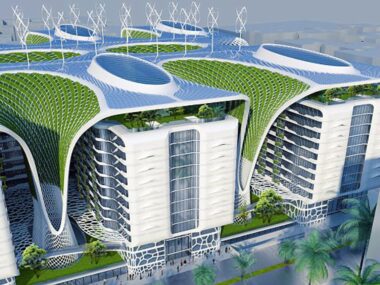
Advanced engineering solutions can help cities reduce their environmental footprint. Green building techniques, renewable energy integration, and nature-based solutions like green roofs and urban forests are all helping to mitigate the environmental impact of urbanization.
How Advanced Engineering Solutions Are Transforming Urban Infrastructure
Smart Technology in Urban Infrastructure
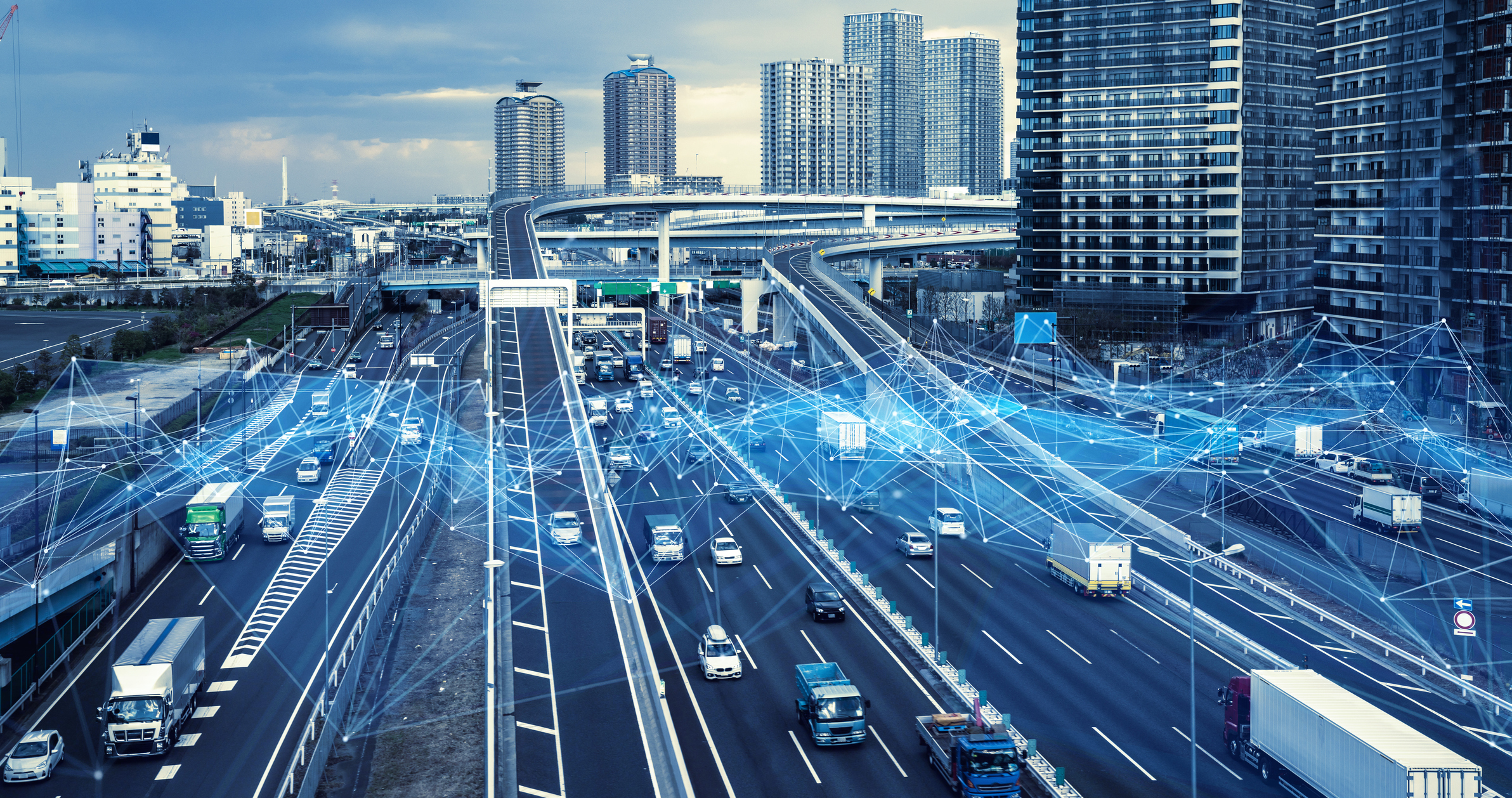
One of the most significant advancements in urban infrastructure is the use of smart technology. Through the integration of Internet of Things (IoT) devices, sensors, and data analytics, cities are becoming smarter and more efficient. Sensors embedded in roads, bridges, and buildings can monitor the condition of infrastructure in real time, enabling predictive maintenance and reducing downtime.
For example, smart traffic lights can adjust in real-time to traffic conditions, reducing congestion and emissions. Smart meters in buildings can track energy use and provide valuable data to optimize energy consumption. These systems not only improve efficiency but also create more livable urban environments.
Sustainable Materials and Construction Practices
Sustainability is at the core of modern engineering solutions. The development and use of sustainable materials, such as self-healing concrete, recycled composites, and energy-efficient insulation, is helping to reduce the environmental impact of construction. These materials are designed to last longer, require less maintenance, and minimize resource consumption.
Green building techniques, such as passive design and net-zero energy construction, are also helping cities become more sustainable. By reducing energy demand, improving energy efficiency, and integrating renewable energy sources, these techniques are transforming the way buildings are constructed and managed.
Advanced Transportation Systems
Transportation systems are undergoing a major transformation. Autonomous vehicles, electric cars, high-speed trains, and integrated public transit networks are making travel more efficient, accessible, and environmentally friendly. By reducing traffic congestion, lowering emissions, and providing more options for commuters, these innovations are revolutionizing urban mobility.
For example, autonomous electric buses and ridesharing platforms are already being implemented in cities like Helsinki and Los Angeles, providing residents with more convenient and sustainable transportation options.
Digital Twins: Virtual Replicas of Infrastructure
Digital twins—virtual replicas of physical infrastructure—are another groundbreaking innovation in urban planning. By creating digital models of roads, buildings, and other infrastructure, engineers can simulate various scenarios and identify potential issues before they arise in the real world. This approach allows cities to optimize infrastructure performance, reduce costs, and accelerate project timelines.
Digital twins also make it easier to manage infrastructure over time. By continuously collecting and analyzing data, cities can monitor the health of their infrastructure and make informed decisions about repairs, upgrades, and replacements.
Water Management Innovations
Water management is one of the most pressing challenges for cities around the world. Smart water systems, such as sensors that detect leaks and systems that optimize irrigation, are improving the efficiency of water distribution and use. Additionally, advanced water treatment technologies, including desalination and water recycling, are helping cities meet their growing water demands while minimizing environmental impact.
For example, the city of Singapore has implemented a highly successful water management system known as the NEWater program, which treats and recycles wastewater to provide clean water for the city.
The Benefits of Revolutionizing Urban Infrastructure
Economic Growth and Job Creation
Revolutionizing urban infrastructure with advanced engineering solutions is a catalyst for economic growth. These innovations lead to the creation of new industries, job opportunities, and business ventures. The transition to smarter, more sustainable cities creates a vibrant ecosystem where technology and innovation can thrive.
Moreover, improving infrastructure systems makes cities more attractive to investment. Investors are increasingly looking to fund sustainable, future-ready projects that have long-term viability and growth potential.
Environmental Sustainability
Advanced engineering solutions are key to reducing the environmental impact of urbanization. Green building materials, renewable energy integration, and nature-based solutions like green spaces and urban forests all contribute to more sustainable cities. These innovations help reduce greenhouse gas emissions, improve air and water quality, and protect ecosystems.
Improved Quality of Life
Ultimately, the goal of revolutionizing urban infrastructure is to improve the quality of life for city residents. Efficient transportation systems, reliable water and energy systems, and sustainable buildings all contribute to a more livable environment. In addition, smart cities prioritize accessibility, equity, and inclusion, ensuring that all residents benefit from these advancements.
For example, cities like Copenhagen and Amsterdam have implemented innovative urban planning strategies that prioritize cycling and walking, creating healthier, more active lifestyles for their residents.
Social Equity and Inclusion
Advanced engineering solutions also have the potential to address issues of social equity. By prioritizing sustainability and accessibility, cities can ensure that all residents—regardless of their income, location, or background—benefit from improved infrastructure. Smart cities are designed to be inclusive, ensuring that everyone has access to quality transportation, energy, and other essential services.
Overcoming Challenges in Implementing Advanced Engineering Solutions
While the benefits of advanced engineering are clear, there are challenges to implementing these solutions at scale. High upfront costs, resistance to change, and the complexity of large-scale infrastructure projects can slow down progress. However, these obstacles can be overcome through collaboration, strategic planning, and public-private partnerships.
Governments, businesses, and communities must work together to fund and implement these projects. Policies that incentivize sustainability, innovation, and technology adoption are also critical for ensuring success. Finally, community engagement is vital for building public support and ensuring that infrastructure projects meet the needs of local residents.
The Future of Urban Infrastructure
The future of urban infrastructure is bright. With advancements in artificial intelligence, blockchain, and quantum computing, cities will become even smarter, more efficient, and more interconnected. The integration of renewable energy, circular economy principles, and nature-based solutions will ensure that cities remain sustainable and resilient in the face of climate change.
Global collaboration will play a key role in accelerating these innovations. Cities around the world can share knowledge, resources, and best practices to address common challenges and build smarter, more sustainable urban environments.
Embrace the Future with Advanced Engineering Solutions
Revolutionizing urban infrastructure is no longer a luxury—it’s a necessity. As urban populations continue to grow and the challenges of climate change intensify, cities must adopt advanced engineering solutions to remain resilient, sustainable, and livable. By embracing innovation, cities can build a future that supports economic growth, protects the planet, and enhances the quality of life for their residents.
It’s time for cities to embrace the future. The advanced engineering solutions of tomorrow are already here. Let’s work together to create the cities of the future—smarter, greener, and more livable than ever before.


 admin
admin