 admin
adminAre you facing costly equipment breakdowns, unexpected repair expenses, or unplanned downtime that eat into your profits? If so, you’re not alone. In the high-stakes world of construction, your machinery is more than just a tool; it’s the backbone of your entire operation. Every delay caused by a breakdown, and every dollar spent on unnecessary repairs, chips away at your profitability and disrupts project timelines.
But here’s the real question: Are you doing everything you can to extend the lifespan of your construction equipment and minimize your repair costs? The solution lies in advanced construction maintenance strategies—comprehensive approaches that leverage both traditional maintenance techniques and cutting-edge technology to keep your machinery running like new for longer.
By adopting advanced maintenance solutions, you can save thousands, reduce downtime, and protect your investments for years to come. In this article, we’ll explore why construction maintenance should be a top priority for your business and how you can maximize the lifespan of your equipment with proactive maintenance strategies.
Why Prioritize Construction Maintenance?
Shifting the Mindset: Maintenance as an Investment, Not an Expense
When it comes to construction equipment, maintenance is often seen as a necessary but expensive task. However, the true cost of neglecting maintenance can be far higher than any scheduled service or inspection. It’s crucial to shift the mindset from viewing maintenance as an expense to recognizing it as a strategic investment that directly impacts your business’s bottom line.
Well-maintained machinery operates more efficiently, experiences fewer breakdowns, and requires less frequent repairs—leading to significant cost savings in the long run. Furthermore, regular maintenance ensures that your equipment is up to code with safety regulations, reducing the risk of costly accidents and legal issues.
Proper maintenance practices also protect your equipment’s resale value. A well-maintained fleet of construction equipment retains a higher resale value than machines that have been neglected or improperly maintained. By making maintenance a top priority, you’re not only improving your operational efficiency but also safeguarding your company’s future profitability.
The Hidden Costs of Neglecting Equipment Upkeep
What happens when maintenance is ignored or put off for too long? The consequences are often far worse than the upfront cost of a service call. Neglecting routine maintenance can result in:
- Unexpected Breakdowns: Equipment failure often occurs without warning, leaving your team stranded and causing delays.
- Expensive Repairs: Minor issues that are ignored can snowball into major repairs that cost far more in terms of labor, parts, and downtime.
- Unplanned Downtime: When a machine breaks down unexpectedly, you lose valuable working hours that could have been spent on-site, resulting in project delays and missed deadlines.
- Decreased Productivity: Machinery that isn’t properly maintained operates less efficiently, leading to reduced output and a lower return on investment.
When you consider the hidden costs of equipment failures, it becomes clear that the small investment in regular maintenance will save you far more in the long run. Moreover, consistent upkeep allows you to plan maintenance around your project schedule, minimizing disruptions and maximizing productivity.
Preventive Maintenance: Your First Line of Defense
The Basics of Preventive Maintenance
Preventive maintenance (PM) is the proactive approach to equipment upkeep. Rather than waiting for equipment to break down, preventive maintenance involves scheduled services and inspections designed to catch problems early.
A solid preventive maintenance plan focuses on:
- Routine Inspections: Regular inspections to identify wear and tear on machinery components. These inspections help you spot potential issues before they lead to failures.
- Lubrication: Ensuring moving parts are properly lubricated to reduce friction and prevent overheating.
- Cleaning: Removing debris and contaminants from your equipment, ensuring that parts don’t become clogged or damaged.
- Part Replacements: Changing out components that have reached the end of their lifespan, such as filters, belts, and hoses.
Benefits of Preventive Maintenance
The advantages of a well-structured preventive maintenance plan are clear. First and foremost, it helps to:
- Identify Issues Early: Routine inspections allow you to detect small issues before they grow into expensive problems. For example, replacing a worn-out part before it fails can prevent a costly repair or breakdown.
- Extend Equipment Life: By regularly servicing your equipment, you’re reducing the likelihood of major breakdowns, which in turn helps extend the lifespan of the machinery.
- Improve Efficiency: Well-maintained equipment operates more smoothly, which improves its efficiency and reduces fuel consumption.
- Ensure Safety: Proper maintenance ensures that all safety systems are working as intended, reducing the risk of accidents and injuries on the job site.
Predictive Maintenance: Harnessing Technology for Smarter Maintenance
What Is Predictive Maintenance?
Predictive maintenance (PdM) represents the next level of maintenance—moving beyond scheduled inspections and repairs. Rather than relying solely on time-based schedules, predictive maintenance uses data to forecast when equipment is likely to fail, enabling you to address issues before they lead to downtime.
In predictive maintenance, technology plays a crucial role. Through the use of sensors, IoT devices, and advanced analytics, you can collect real-time data on the condition of your equipment. The collected data is then analyzed to predict future failures based on patterns and trends.
How Predictive Maintenance Works
Predictive maintenance involves several key technologies:
- IoT Sensors: These devices collect real-time data on equipment performance, such as temperature, vibration, pressure, and fluid levels. The data is continuously transmitted for analysis.
- Data Analytics: The collected data is analyzed using machine learning algorithms, which identify trends that indicate impending issues.
- Condition Monitoring: Sensors monitor specific machine components, detecting abnormal behavior that could lead to failure. For example, vibrations in a motor might signal that a bearing is about to fail.
- Alerts and Notifications: When predictive analytics detect a potential issue, maintenance teams receive alerts so they can address the problem before it causes a breakdown.
Benefits of Predictive Maintenance
Predictive maintenance is incredibly effective at reducing unplanned downtime. By predicting failures before they happen, you can:
- Reduce Downtime: Instead of reacting to breakdowns, predictive maintenance helps you schedule repairs and part replacements at a time that causes minimal disruption.
- Lower Repair Costs: Addressing issues before they lead to complete failures reduces the cost of repairs. It’s much cheaper to replace a part based on predictive data than to deal with the aftermath of a major breakdown.
- Optimize Equipment Performance: By continuously monitoring equipment health, predictive maintenance ensures that your machinery is always performing at its peak.
- Improve Scheduling: You can plan maintenance based on actual usage and condition rather than just operating on a time-based schedule, which leads to more efficient use of your resources.
Real-World Example: Predictive Maintenance in Action
In a real-world scenario, a construction company used predictive maintenance on its fleet of cranes. By installing IoT sensors on critical components like the hoist motor and hydraulic systems, they were able to detect small changes in vibration patterns and temperature. When the system detected an anomaly in a motor, it sent an alert to the maintenance team. The team was able to replace the motor’s bearing before it failed completely, avoiding a costly crane breakdown and significant downtime.
Comprehensive Equipment Inspections: Small Steps, Big Impact
The Role of Thorough Inspections
While preventive and predictive maintenance are highly effective, one of the simplest yet most powerful strategies for extending equipment lifespan is through regular inspections. Regular inspections allow you to catch small problems before they become large, expensive issues.
Inspections should be thorough and systematic, covering all major components of the equipment. Common inspection tasks include:
- Hydraulic Systems: Checking fluid levels, inspecting hoses for cracks, and ensuring that the hydraulic fluid is clean and free of contaminants.
- Engine Performance: Monitoring engine temperatures, checking for unusual noises, and ensuring proper fluid levels.
- Tires and Tracks: Assessing tire pressure, tread depth, and signs of uneven wear, which could indicate an alignment issue or the need for replacement.
- Battery and Electrical Systems: Inspecting the electrical systems to ensure proper charging, as well as checking for loose wires or signs of corrosion.
- Brakes and Safety Systems: Ensuring that all safety systems, including brakes, lighting, and alarms, are fully operational.
The Power of Digital Inspections
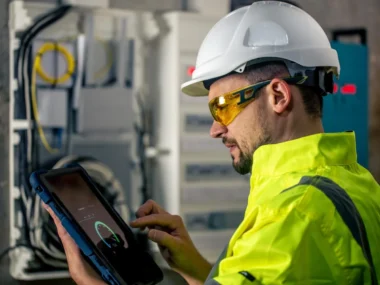
Advancements in digital tools have transformed how equipment inspections are carried out. Digital inspection solutions, such as mobile apps and cloud-based platforms, make the process faster, more accurate, and more efficient.
- Mobile Apps for Inspections: Using tablets or smartphones, workers can complete detailed inspection checklists, take photos of problem areas, and instantly upload them to a centralized system for review.
- Automated Reporting: Inspection reports are automatically generated and stored in the cloud, allowing for easy access and tracking over time.
- Predictive Analytics: When inspections uncover issues, they can be tied into predictive maintenance systems, allowing you to take action before the issue leads to a breakdown.
Training and Education: Empowering Your Team
The Importance of Operator Training
One of the most effective ways to maximize equipment lifespan is to ensure that your operators are properly trained. The way your team operates machinery has a direct impact on its longevity and performance.
A well-trained operator understands the following:
- Proper Handling: They know how to operate machinery safely and efficiently, reducing unnecessary wear on the equipment.
- Maintenance Tasks: Operators are trained to perform basic maintenance tasks such as lubrication, checking fluid levels, and cleaning the equipment after use.
- Early Detection of Issues: Well-trained operators can identify early signs of trouble, such as unusual noises or vibrations, and report them before they escalate.
Incorporating Training into Maintenance Plans
When adopting advanced maintenance solutions, it’s important to integrate operator training as part of your overall strategy. Some maintenance companies offer operator training as a part of their service, ensuring that your team is well-equipped to care for the equipment.
Embracing Sustainable Maintenance Practices
Green Maintenance for a Greener Future
Sustainability is an increasingly important consideration in the construction industry. Proper maintenance can contribute to a more sustainable operation by reducing waste, conserving energy, and lowering carbon emissions.
Some sustainable practices include:
- Recycling Parts: When replacing parts, recycling old components can minimize waste and reduce your environmental impact.
- Eco-friendly Lubricants: Using biodegradable lubricants reduces harm to the environment while maintaining equipment performance.
- Energy Efficiency: Properly maintained equipment runs more efficiently, which reduces fuel consumption and minimizes carbon emissions.
Benefits of Sustainable Maintenance Practices
Not only does adopting sustainable practices help the environment, but it also improves your reputation. Clients and stakeholders are increasingly prioritizing sustainability, and by demonstrating your commitment to eco-friendly practices, you can attract more business and create long-term value.
The Role of Digital Solutions in Modern Maintenance
The Digital Transformation of Construction Maintenance
In today’s fast-paced construction environment, digital tools are revolutionizing the way maintenance is managed. From scheduling and tracking to real-time monitoring and predictive analytics, digital solutions provide a wealth of opportunities to improve efficiency and effectiveness.
Key digital solutions include:
- Cloud-based Maintenance Platforms: Centralized software that allows you to store equipment data, track maintenance schedules, and generate reports from anywhere.
- Mobile Applications: Allowing field workers to record maintenance activities, inspect machinery, and update records in real time.
- Remote Monitoring Systems: Enable real-time tracking of equipment performance, sending alerts and diagnostics directly to your maintenance team.
Why Digital Solutions Matter
With digital tools, construction companies can make more informed decisions about when to service equipment, which machines need attention first, and how to optimize their fleet’s performance. Transitioning from manual methods to digital platforms streamlines processes, increases visibility, and reduces human error.
How Advanced Maintenance Solutions Drive Profitability
Maximizing ROI with Smarter Maintenance
The impact of advanced maintenance solutions on profitability cannot be overstated. By reducing downtime, preventing costly repairs, and extending equipment lifespan, these strategies directly boost your bottom line.
Protect Your Investments with Maintenance Excellence
Are you ready to save thousands by maximizing the lifespan of your construction equipment? By embracing advanced construction maintenance solutions, you can significantly improve the efficiency, reliability, and longevity of your machinery. From preventive and predictive maintenance to digital tools and sustainable practices, these strategies are designed to optimize your operations and keep your equipment in peak condition.
Don’t let neglect cost you. Start prioritizing maintenance excellence today, and protect your investments for years to come. Explore expert resources on construction maintenance solutions and get started on the path to a more profitable, efficient, and sustainable operation.


 admin
admin