 admin
adminHave you ever considered how vulnerable your digital workspaces might be? Do you worry about the growing threats to sensitive data and the risks to your employees’ online safety? Securing digital workspaces is no longer optional—it’s an essential practice in today’s interconnected world. Cybersecurity not only protects sensitive information but also ensures employee safety and business continuity.
This article takes an in-depth look at how cybersecurity fortifies digital workspaces, safeguards sensitive data, and creates a secure environment for employees. Whether you manage a remote team or operate in a hybrid model, this comprehensive guide equips you with insights and strategies to secure your organization’s digital future.
Why Cybersecurity Matters in Digital Workspaces
The Backbone of Modern Work Environments
Do you trust your organization’s current cybersecurity measures? With the rapid shift to digital operations, workspaces are no longer confined to office walls. Remote and hybrid models have become the norm, increasing dependence on digital tools and cloud-based systems.
However, this digital transformation exposes organizations to an array of cyber threats. From ransomware attacks to data breaches, the risks are more pronounced than ever. Strong cybersecurity ensures that employees can focus on their tasks without worrying about data safety or system vulnerabilities.
The Growing Threats to Digital Workspaces
An Increasingly Hostile Cyber Landscape
Have you noticed the rising frequency of cyberattacks on businesses? Cyber threats have grown in sophistication, targeting digital workspaces with phishing emails, malware, ransomware, and social engineering tactics. The stakes are high—financial losses, reputational damage, and operational disruptions are common consequences.
These evolving threats require proactive defenses. Businesses must stay vigilant, continuously upgrading their cybersecurity measures to protect both their assets and their employees.
The Role of Cybersecurity in Protecting Employee Safety
Beyond Data Protection
Do you realize how much cybersecurity contributes to employee safety? In digital workspaces, employee safety extends beyond physical security. It includes protecting personal information, safeguarding devices from malware, and ensuring secure access to systems and tools.
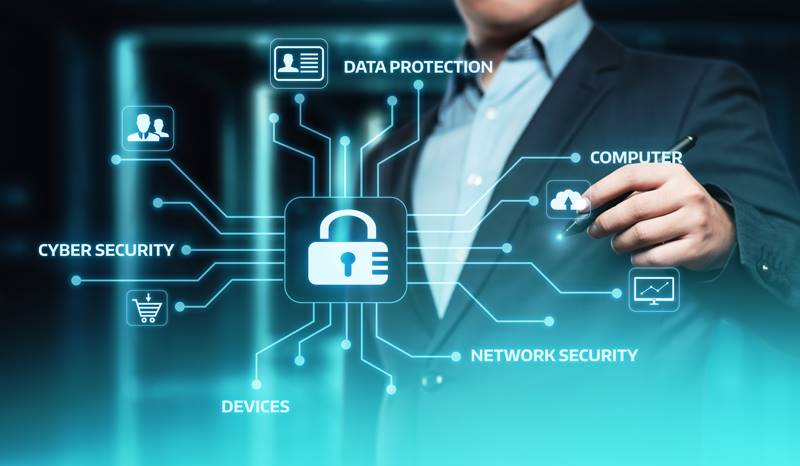
Robust cybersecurity measures like multi-factor authentication (MFA), data encryption, and secure virtual private networks (VPNs) shield employees from cyber threats. These defenses prevent unauthorized access, mitigate data breaches, and create a safe digital environment for all users.
Building a Secure Digital Workspace
Steps to Safeguard Your Organization
Have you implemented a comprehensive cybersecurity strategy? Building a secure digital workspace involves multiple layers of protection, including:
- Conducting Vulnerability Assessments: Identify weak points in your system.
- Implementing Strong Authentication: Use MFA and complex passwords.
- Educating Employees: Train staff on recognizing phishing attempts and adhering to best practices.
- Using Advanced Firewalls and Antivirus Software: Prevent malware and unauthorized access.
- Regular Updates and Patches: Keep systems up-to-date to block new threats.
A secure workspace relies on a combination of technology, education, and vigilance to mitigate risks effectively.
The Benefits of Strong Cybersecurity for Employees
Boosting Confidence and Productivity
Have you considered the direct impact of cybersecurity on employee morale? Employees thrive in a secure digital environment where they can work without fear of cyber threats. Knowing that sensitive data and systems are protected fosters trust and enhances focus.
Cybersecurity also facilitates collaboration. Secure file-sharing platforms, encrypted communication channels, and well-protected systems enable teams to work efficiently, regardless of location.
Challenges in Securing Digital Workspaces
Navigating a Complex Landscape
Does securing your digital workspace seem overwhelming? Organizations face several challenges, including:
- Limited Resources: Small businesses may lack the budget for sophisticated tools.
- Evolving Threats: New attack methods emerge constantly, requiring continuous updates.
- Balancing Security with Accessibility: Employees need easy access without compromising safety.
- Human Error: A significant percentage of breaches result from mistakes like clicking on phishing links.
Overcoming these challenges requires strategic planning, investment in scalable solutions, and fostering a culture of security awareness.
How Cybersecurity Supports Business Continuity
Protecting Operations from Disruptions
Do you have a plan in place for cyber emergencies? A compromised digital workspace can halt operations, causing financial and reputational harm. Cybersecurity ensures business continuity by preventing disruptions and enabling rapid recovery.
Key strategies include:
- Regular Data Backups: Protect critical information.
- Disaster Recovery Plans: Outline steps to restore systems quickly.
- Incident Response Protocols: Prepare for swift action in the event of an attack.
These measures keep your organization resilient, even in the face of cyber threats.
The Future of Cybersecurity in Digital Workspaces
Embracing Emerging Technologies
Are you ready for the next wave of cybersecurity advancements? The future holds exciting developments, including:
- Artificial Intelligence (AI): Detects threats faster and more accurately.
- Zero-Trust Architectures: Ensures strict verification for all users and devices.
- Biometric Authentication: Enhances security through fingerprints or facial recognition.
- Blockchain Technology: Secures data with tamper-proof records.
Staying ahead of these trends will position your organization to tackle future challenges effectively.
Real-World Testimonials: Cybersecurity in Action
How Businesses Are Securing Their Workspaces
Case Study 1: A Remote-First Startup
A tech startup implemented MFA and secure cloud storage after experiencing a phishing attempt. These measures protected their sensitive project data and boosted team confidence in remote operations.
Case Study 2: A Retail Chain’s Response to Ransomware
A retail company invested in advanced threat detection software after a ransomware attack disrupted operations. The system now identifies and neutralizes threats before they escalate, ensuring business continuity.
FAQs About Cybersecurity in Digital Workspaces
Q: What’s the biggest cybersecurity risk for remote workers?
A: Phishing attacks are the most common threat. Educating employees on recognizing suspicious emails is crucial.
Q: How can small businesses afford robust cybersecurity?
A: Small businesses can invest in scalable solutions like cloud-based security platforms and focus on employee training to maximize protection within a limited budget.
Q: Is multi-factor authentication (MFA) necessary for all users?
A: Yes, MFA significantly reduces the risk of unauthorized access and should be mandatory for all employees.
The Conclusion: Prioritize Cybersecurity Today
Securing digital workspaces is a critical responsibility in today’s cyber-threat landscape. Cybersecurity not only protects sensitive data but also ensures employees feel safe and supported, enabling them to focus on their tasks and contribute effectively.
Ready to enhance your organization’s cybersecurity? Explore our comprehensive guide to digital security tools and strategies. Don’t wait for a breach to expose vulnerabilities—take proactive steps today to secure your digital workspace and protect your team.


 admin
admin