 admin
adminHave you ever been caught in the middle of a power outage, feeling helpless as your home plunges into darkness? The refrigerator stops humming, your devices lose their charge, and even your heating or cooling system comes to a halt. These moments of discomfort highlight the growing need for reliable home power solutions.
In an era of increasing weather unpredictability, aging power grids, and more people working from home, having a dependable backup power source is no longer a luxury—it’s a necessity. A home generator can provide you with peace of mind and ensure your household remains safe and comfortable during outages.
This guide explores why now is the best time to invest in a home generator. We’ll examine the types of generators, their features, and the benefits of owning one. You’ll learn how to select the perfect generator for your needs and keep your home powered no matter the situation.
Why Home Generators Are a Necessity
Rising Frequency of Power Outages
Power outages are becoming more frequent due to extreme weather events, grid failures, and natural disasters. Storms, heatwaves, and heavy snowfalls place immense strain on power systems, leaving homeowners vulnerable to disruptions.
Statistics: According to the U.S. Energy Information Administration, major power outages have increased by over 60% in the last two decades.
During these outages, the absence of electricity can jeopardize safety, cause financial losses, and disrupt daily routines. A reliable generator ensures your home remains functional and safe, even during extended blackouts.
Beyond Comfort: Essential Needs During Outages
A generator does more than keep the lights on. It powers vital systems like:
- Refrigeration: Prevents food spoilage, saving you hundreds of dollars.
- Heating and Cooling: Protects against extreme temperatures.
- Medical Equipment: Keeps lifesaving devices like oxygen machines operational.
- Connectivity: Powers internet routers and chargers to keep you connected.
Testimonial: “When a winter storm knocked out power for days, our standby generator kept our heat running and saved our food. It was a lifesaver.” – Karen D., homeowner in Michigan
Types of Home Generators
Not all generators are created equal. The right generator for your home depends on your power needs, budget, and the duration of outages you typically experience.
Portable Generators
Portable generators are compact and versatile, making them a popular choice for homeowners who need a temporary power solution.
- Features:
- Runs on gasoline or propane
- Powers essential appliances like refrigerators, lights, and small electronics
- Easy to move and store
- Ideal For: Short-term outages or outdoor use
Pros:
- Affordable and widely available
- Flexible for multiple uses
Cons:
- Requires manual setup and refueling
- Limited power output
Example: A family in Florida used a portable generator during hurricane season to power their refrigerator and fans, keeping cool and comfortable for days.
Standby Generators
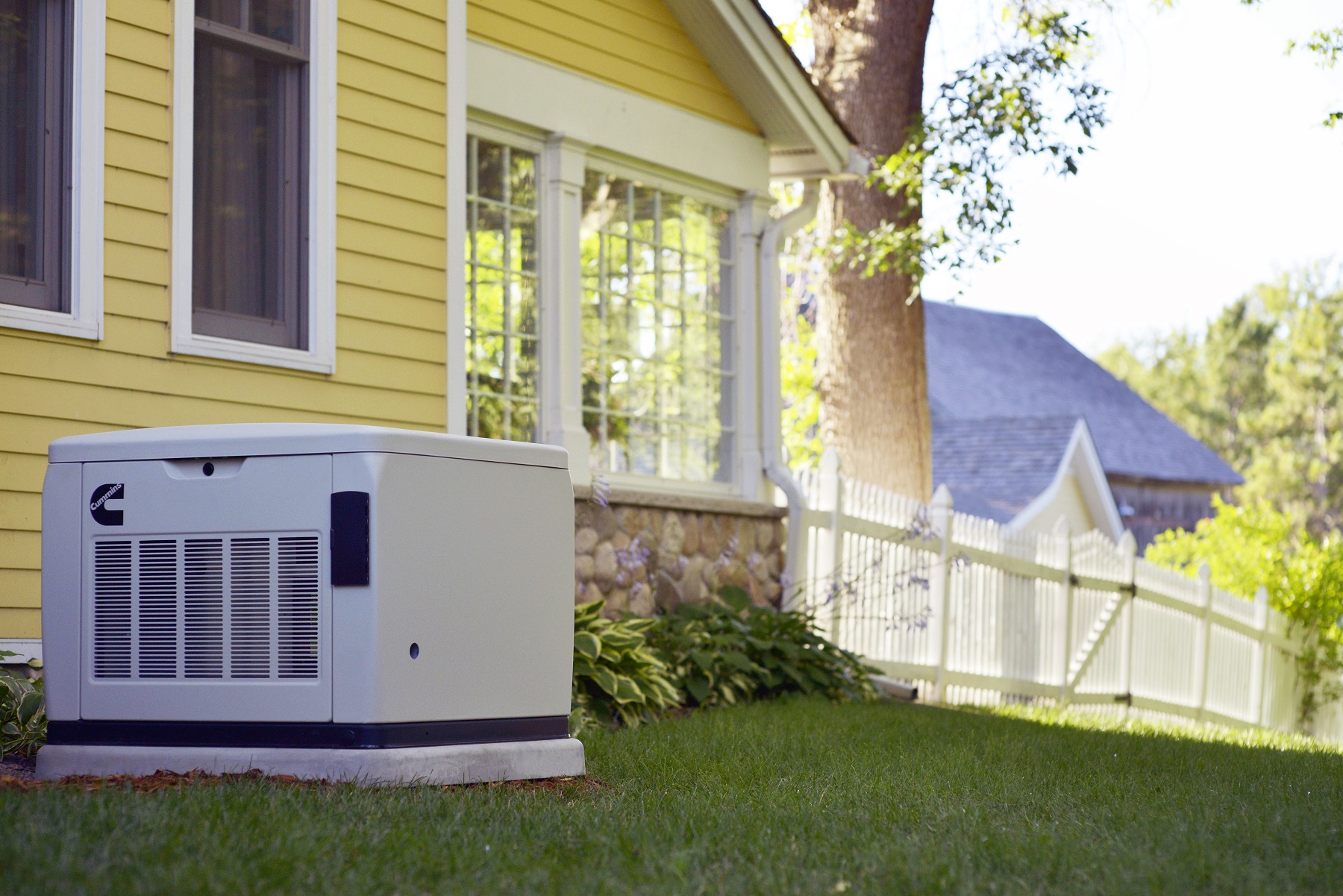
Standby generators provide a permanent, hands-off solution for homeowners seeking long-term reliability.
- Features:
- Automatically activates during outages
- Connects to natural gas or propane lines for uninterrupted fuel supply
- Can power your entire home, including HVAC systems
Pros:
- No manual setup required
- Provides continuous power for extended outages
Cons:
- Higher upfront cost
- Requires professional installation
Testimonial: “Our standby generator turned on within seconds of the power outage. We didn’t miss a beat, and it was worth every penny.” – John M., homeowner in Texas
Inverter Generators
Inverter generators are ideal for homeowners looking for quieter, more energy-efficient options.
- Features:
- Converts DC power to AC for smooth, consistent output
- Lightweight and portable
- Best for smaller loads like lighting and electronics
Pros:
- Eco-friendly and fuel-efficient
- Operates quietly
Cons:
- Lower power output
- Best suited for small-scale needs
Use Case: A couple in California used an inverter generator during wildfire season to maintain basic lighting and charge devices without disturbing neighbors.
Key Features to Consider in a Home Generator
Choosing the best generator requires understanding the features that matter most. Here are the key factors to consider:
Power Output
Determine the wattage needed to power your essential appliances and systems. Calculate your load requirements and choose a generator that offers at least 25% more wattage to avoid overloading.
Fuel Type and Efficiency
Generators typically run on gasoline, propane, natural gas, or diesel. Each fuel type has pros and cons:
- Gasoline: Easy to find but less efficient for long-term use.
- Propane/Natural Gas: Clean-burning and cost-effective for standby models.
- Diesel: Efficient for heavy loads but requires careful storage.
Tip: Opt for a fuel-efficient model if you live in an area prone to prolonged outages.
Noise Level
Generators can be noisy, which may disrupt your peace or annoy neighbors. Modern models with noise-dampening features, especially inverter generators, operate much quieter.
Automatic Start
Standby generators automatically activate when they detect a power outage, offering seamless transitions without manual effort.
Maintenance and Durability
Choose a generator with easy-to-access components and a robust warranty. Models with remote monitoring capabilities allow you to track performance and schedule maintenance effortlessly.
Testimonial: “Our generator’s remote app sends reminders for maintenance, making it hassle-free to keep it in top condition.” – Lisa R., homeowner in Georgia
Benefits of Owning a Home Generator
Peace of Mind
A generator ensures you’re prepared for the unexpected, offering confidence that your family and home will remain safe and functional during outages.
Financial Protection
By keeping appliances like refrigerators and HVAC systems running, generators prevent costly losses from food spoilage and water damage.
Enhanced Resale Value
Homes with standby generators often appeal more to buyers, adding value and marketability.
Real-World Testimonials
Steve J., New York: “After a three-day outage, we realized how essential our generator was. It powered everything, including our furnace, during a blizzard.”
Rachel P., Florida: “We installed a standby generator after Hurricane Irma. It’s been a lifesaver during every storm season since.”
FAQs About Home Generators
Q: How much does a home generator cost?
A: Portable generators range from $500 to $2,000, while standby models typically cost $5,000 to $10,000, including installation.
Q: How long can a generator run?
A: Portable models run for 8–12 hours per tank, while standby generators can run indefinitely when connected to a natural gas line.
Q: Do I need a permit to install a standby generator?
A: Yes, most areas require permits and professional installation to ensure safety and compliance with local codes.
Power Up with Confidence
Investing in a home generator is more than a convenience—it’s a commitment to your family’s safety and comfort. Whether you choose a portable model for occasional outages or a standby system for long-term reliability, the benefits far outweigh the costs.
With the right generator, you can face any power outage confidently, knowing your home will remain powered, secure, and comfortable. Don’t wait for the next blackout—equip your home with the best generator solution today.

 admin
admin