 admin
adminAs global energy demands continue to surge, and environmental concerns reach a critical point, the construction industry is standing at a transformative crossroads. The question we must now ask ourselves is not just, “How can we build more efficiently?” but rather, “How can we revolutionize the way we build to ensure a sustainable, cost-effective, and future-ready world?” With the right mix of cutting-edge technology, innovative engineering, and sustainable practices, we can create buildings that redefine how we live, work, and interact with our environment.
The urgency is clear. We are at the dawn of a new era in construction, where energy-efficient buildings are no longer a luxury—they are a necessity. This is where the real challenge lies. Advanced engineering techniques and materials are changing the game, and small business owners, contractors, and construction innovators must be ready to meet the demands of a sustainable future.
Let’s take a deep dive into how these innovative techniques are transforming the construction industry—and why they matter now more than ever.
The Rise of Energy-Efficient Buildings: A Game Changer or Necessity?
So, what exactly makes a building energy-efficient? Is it simply about reducing utility bills? Is it about meeting government regulations? Or is it something more profound—creating structures that serve both people and the planet for generations to come?
The reality is that energy-efficient buildings are the backbone of modern construction. Through a synergy of technological advances and thoughtful design, these structures optimize energy usage, reduce environmental impact, and ultimately enhance the quality of life for their occupants. They are no longer optional; they are essential.
Energy-efficient buildings are crafted with a focus on sustainability, innovation, and long-term cost savings. Engineers and architects are increasingly turning to advanced strategies such as passive design, the use of advanced materials, smart building systems, and renewable energy integration to meet these challenges head-on. Together, these approaches are not just changing how we build—they are changing how we live in the buildings we create.
Unlocking Passive Design: The Foundation of Energy Efficiency
One of the most groundbreaking techniques in energy-efficient construction is passive design. But what exactly does this mean? Simply put, passive design refers to the use of natural elements—like sunlight, wind, and thermal dynamics—to regulate a building’s temperature and reduce its energy consumption.
Harnessing the Power of Sunlight
Did you know that the orientation of a building can significantly impact its energy performance? By strategically positioning windows, walls, and roofs to maximize solar gain in winter and minimize heat in summer, a building can maintain comfortable temperatures without relying heavily on external energy sources.
In colder climates, for example, south-facing windows can maximize solar exposure, absorbing heat throughout the day. Conversely, in warmer climates, overhangs or shading devices can minimize solar heat gain, keeping the interior cool and reducing the need for air conditioning.
This approach is especially beneficial for residential homes, commercial offices, and small businesses that want to cut down on their heating and cooling costs. By incorporating passive design, your building can function more efficiently and sustainably, providing both environmental and financial benefits.
Effective Ventilation and Shading
Ventilation is another essential component of passive design. Properly designed natural ventilation systems reduce the need for mechanical cooling. For example, strategically placed windows, vents, and skylights can create airflow patterns that naturally cool a building, reducing the need for energy-intensive air conditioning systems.
Shading is another key aspect. By using strategically placed trees, awnings, or reflective materials, you can shield a building from excessive heat while still allowing for natural light. This helps optimize energy use and makes passive design an essential tool for any contractor focused on sustainable building practices.
The Role of Advanced Materials in Energy-Efficient Construction
As technology advances, the materials we use in construction are also evolving. It’s no longer just about bricks and mortar; it’s about choosing materials that actively contribute to a building’s energy efficiency. By incorporating innovative materials, contractors can dramatically improve insulation, reduce energy consumption, and enhance the durability of a structure.
Aerogels: The Ultimate Insulator
Consider aerogels, one of the most advanced insulation materials available today. Often referred to as “frozen smoke,” aerogels are incredibly lightweight and possess an exceptional ability to resist heat transfer. This makes them perfect for use in both new buildings and retrofitting older structures that need an upgrade in insulation.
While aerogels are expensive, they are often a worthy investment in terms of long-term energy savings. In high-performance building designs, their ability to minimize heat loss and gain can lead to significant reductions in both heating and cooling costs.
Phase-Change Materials: Smart Temperature Regulation
Another innovative material making waves in energy-efficient construction is phase-change materials (PCMs). These materials absorb and store heat as they change from a solid to a liquid state, and release it when they return to a solid state. This helps regulate interior temperatures and reduce the need for heating or cooling systems.
PCMs are particularly useful in buildings that experience fluctuating temperatures throughout the day or year. By incorporating these materials into walls, ceilings, or flooring, you can reduce energy usage and improve occupant comfort.
Vacuum Insulated Panels: High-Performance Insulation
Vacuum-insulated panels (VIPs) are another breakthrough in insulation technology. With their ability to offer excellent thermal resistance in a thinner profile, VIPs are perfect for energy-efficient construction, especially in areas where space is at a premium. While they are typically more expensive than traditional insulation materials, their superior performance can make them a cost-effective option in the long run.
Smart Building Systems: Where Technology Meets Sustainability
What if buildings could think, adapt, and respond to their environment? With the rise of smart building systems powered by the Internet of Things (IoT), this is becoming a reality. Smart technology is revolutionizing how we manage energy use, optimize building performance, and improve the overall experience for occupants.
Energy Management and Optimization
Smart building systems integrate various technologies to monitor and control a building’s energy usage. For example, IoT sensors can track occupancy patterns and adjust heating, cooling, and lighting accordingly. Automated lighting systems can turn off when rooms are unoccupied, and HVAC units can adapt to the building’s usage patterns, further reducing unnecessary energy consumption.
Predictive Maintenance and Efficiency
Another benefit of smart technology is predictive maintenance. Smart systems can analyze performance data in real time, predicting when equipment is likely to fail and scheduling maintenance before issues arise. This reduces downtime and ensures that the building’s systems are always functioning optimally, preventing energy wastage and costly repairs.
Enhancing Occupant Comfort and Control
Moreover, smart buildings allow occupants to control their environment more effectively. Automated systems adjust lighting, temperature, and air quality based on personal preferences, improving comfort and well-being. These systems also provide real-time feedback, allowing building managers or homeowners to monitor and adjust energy use.
Renewable Energy Integration: Powering the Future
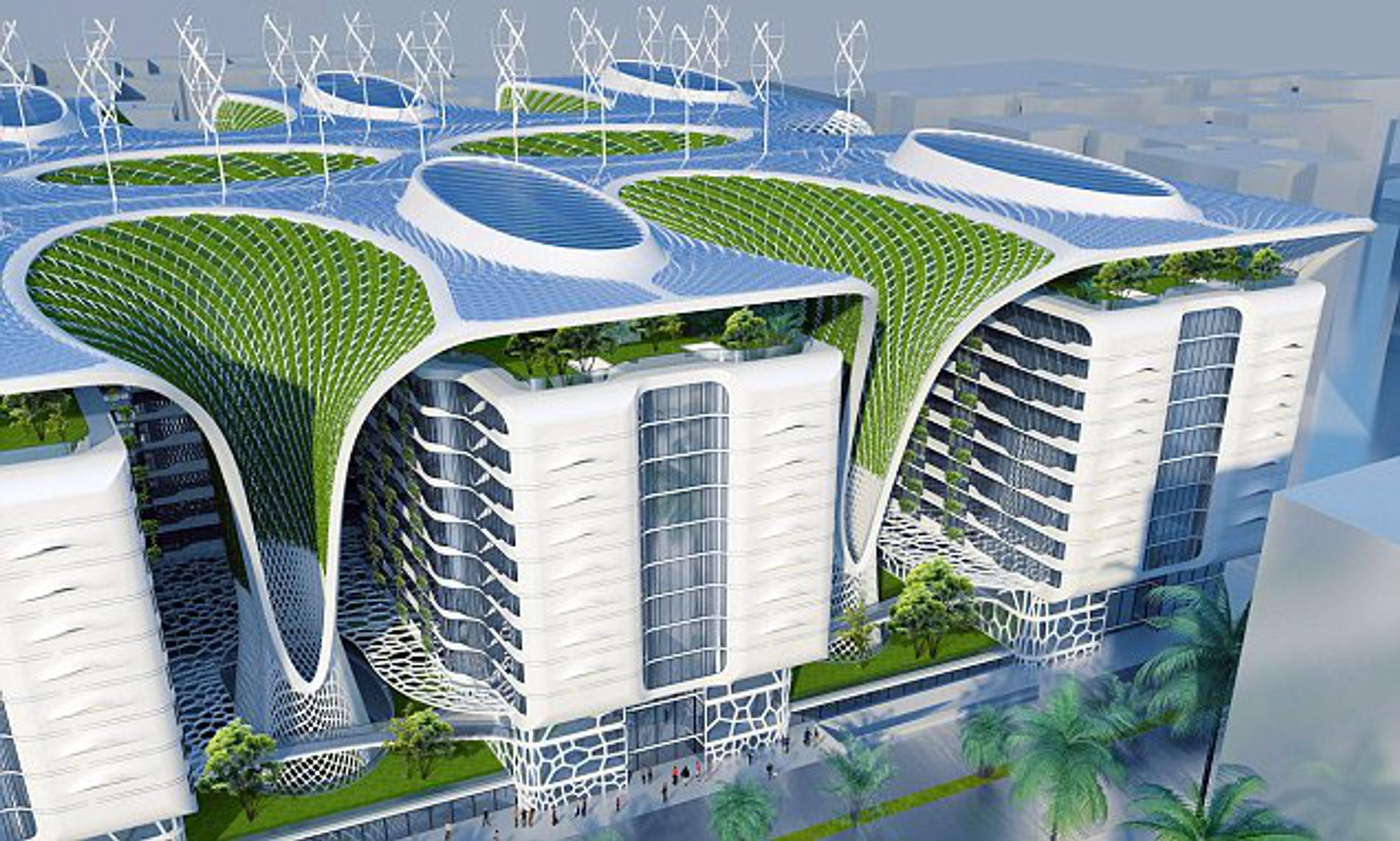
Now, let’s address the question everyone is asking: Can a building generate more energy than it consumes? With the integration of renewable energy systems, the answer is yes. Solar panels, wind turbines, geothermal heat pumps—these technologies are no longer novelties but essential components of a truly energy-efficient building.
Solar Power: Harnessing the Sun’s Energy
Photovoltaic solar panels are one of the most common forms of renewable energy used in energy-efficient buildings today. By converting sunlight into electricity, they can dramatically reduce a building’s reliance on traditional energy sources. In fact, with proper design and placement, a building can achieve net-zero energy status, meaning it produces as much energy as it consumes.
Geothermal Heating and Cooling
Geothermal systems utilize the constant temperature of the earth to heat and cool buildings. By circulating fluid through underground pipes, these systems take advantage of the earth’s stable temperature to provide efficient heating and cooling. Geothermal systems are ideal for larger buildings and commercial properties, offering significant savings on energy bills and reducing a building’s carbon footprint.
Wind Energy and Other Renewables
In areas with sufficient wind resources, wind turbines can also be integrated into a building’s design to generate clean electricity. Coupled with other renewable energy systems, wind turbines provide additional options for energy-efficient construction, making it possible for buildings to become self-sustaining powerhouses.
Overcoming Challenges in Energy-Efficient Construction
Despite the growing demand for energy-efficient buildings, there are still obstacles that can slow adoption. High upfront costs, a shortage of skilled labor, and resistance to new technology are just a few challenges facing contractors today.
Addressing Financial Concerns
While the initial cost of energy-efficient materials and systems can be higher than conventional options, the long-term savings on energy bills often outweigh the initial investment. Additionally, government incentives, tax credits, and rebates are increasingly available to support businesses and homeowners who invest in sustainable construction.
Training and Skill Development
As the demand for energy-efficient buildings grows, so does the need for skilled labor. Training programs and certifications are essential for ensuring that contractors have the necessary knowledge to implement these technologies effectively. Investing in ongoing education will help small business owners stay ahead of the curve and provide a competitive edge in the marketplace.
The Business Case for Energy-Efficient Buildings
For contractors, small business owners, and real estate developers, the business case for energy-efficient buildings is stronger than ever. These buildings are not just better for the planet—they are better for your bottom line.
Cost Savings and Higher Property Values
Energy-efficient buildings typically have lower operating costs, which means more money in your pocket over time. Whether it’s reducing energy bills, lowering maintenance costs, or taking advantage of incentives
, these buildings provide tangible financial benefits.
Additionally, energy-efficient properties tend to have higher resale values, as more buyers are seeking sustainable, eco-friendly homes and offices. Energy-efficient buildings also attract higher-quality tenants, who are willing to pay a premium for buildings with lower operating costs and superior comfort.
Marketing Green Building Practices
Finally, embracing energy-efficient construction offers a powerful marketing opportunity. As consumers and clients increasingly prioritize sustainability, showcasing your commitment to green building practices can set you apart from competitors. This is not only an ethical choice—it’s a smart business move.
Conclusion: Building a Greener Tomorrow
The future of construction is here, and it’s all about energy efficiency. With advanced engineering techniques, smart technology, renewable energy integration, and innovative materials, we are poised to revolutionize the way we build for generations to come. As contractors, small business owners, and innovators in the industry, the time to embrace this change is now.
By incorporating passive design, sustainable materials, and cutting-edge technologies, we can create buildings that are not only environmentally friendly but also economically viable. It’s time to build a greener tomorrow, one structure at a time.
Ready to start implementing these energy-efficient strategies in your next project? Explore more resources and expert insights here. Let’s lead the way in building a more sustainable future.

 admin
admin