 admin
adminWhen managing large-scale industrial projects, the stakes are high. Whether it’s constructing a massive infrastructure, operating a refinery, or assembling components in a high-tech factory, the success of these projects hinges on precision, efficiency, and consistency. A single misstep can snowball into costly delays, budget overruns, and, in the worst cases, safety hazards. But what sets apart successful projects from the ones that struggle to meet deadlines and stay within budget?
The answer often lies in one crucial factor: the quality and selection of engineering equipment.
Why Engineering Equipment Is the Backbone of Industrial Projects
Imagine a scenario where you’re relying on outdated, underperforming machinery for a project worth millions of dollars. While it might seem like an easy way to cut initial costs, the consequences of such decisions can be catastrophic. From malfunctioning machinery causing delays to costly repairs or safety risks, choosing the right equipment is non-negotiable.
The world of industrial engineering is vast, but the equipment you rely on will determine the project’s success or failure. The right tools not only enhance productivity but also reduce errors, minimize safety risks, and keep projects running on time. When you understand how to select and invest in cutting-edge equipment, you set yourself up for long-term success.
What Makes Leading Engineering Equipment Stand Out?
To fully grasp the importance of engineering equipment in industrial projects, it’s crucial to explore the characteristics that set top-tier machinery apart from the rest. Whether you’re working in construction, manufacturing, or energy, understanding these key attributes will ensure you make the best decisions for your project.
Performance and Precision: The Key to Success
In the world of complex industrial projects, precision is everything. From measuring materials to manufacturing components, even the smallest deviation can lead to significant issues. High-performance engineering tools minimize errors and maximize productivity, ensuring that tasks are completed correctly the first time.
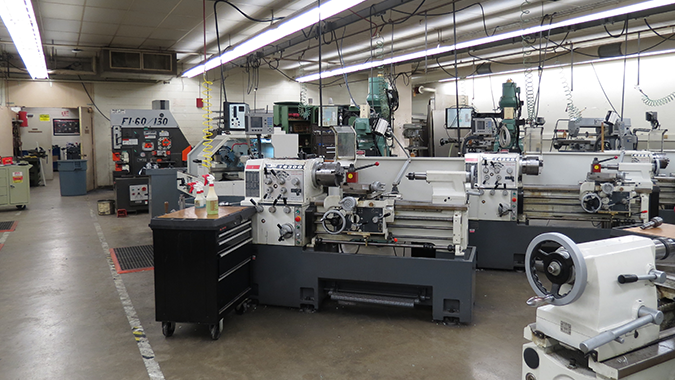
For example, consider CNC (Computer Numerical Control) machines used in industrial manufacturing. These machines allow for the automated and precise cutting, shaping, and fabrication of materials. When operated correctly, CNC machines eliminate the guesswork from manufacturing processes, producing consistent, high-quality parts with minimal waste. The increased accuracy can dramatically reduce the risk of rework or product failure down the line.
Durability and Reliability: Essential for Long-Term Projects
Durability is another crucial factor in selecting engineering equipment. Complex industrial projects often run for extended periods, sometimes years, so your machinery must stand the test of time. Equipment that can handle prolonged use without frequent breakdowns is a significant asset.
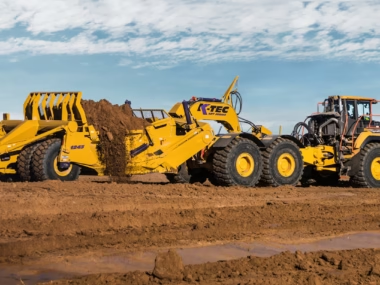
Leading brands in engineering equipment focus on designing machinery that can endure the harshest environments. From high temperatures and intense vibrations to dust and moisture, these machines are engineered for reliability. For example, heavy-duty construction machines like excavators and bulldozers are often put through extreme stress during excavation and material handling tasks. If such machines fail to perform under pressure, the entire project can be compromised.
Energy Efficiency: Cutting Costs While Protecting the Environment
Energy efficiency is no longer a “nice-to-have” feature—it’s a critical component in modern engineering equipment. In an era where sustainability matters more than ever, energy-efficient equipment helps companies lower operational costs and minimize their environmental footprint.
A great example of energy-efficient engineering equipment is the growing use of hybrid and electric-powered construction machinery. These machines not only consume less fuel than their diesel counterparts, but they also produce fewer emissions, making them a better choice for both cost-saving and environmental responsibility.
Ease of Maintenance: Keeping Projects on Track
Downtime is a project manager’s worst nightmare. Every minute that equipment is offline represents lost revenue and wasted time. That’s why the best engineering equipment is designed with maintenance in mind. Quick and easy maintenance can help ensure that your project stays on schedule, minimizing delays caused by machinery breakdowns.
For instance, modular designs that allow easy access to key components for servicing can make a huge difference in how quickly repairs can be made. Furthermore, equipment that features smart diagnostics can alert operators to potential issues before they escalate into full-blown failures.
Top Categories of Engineering Equipment for Industrial Success
Engineering equipment spans across various categories, each with its own specific function and benefits. In this section, we’ll look at some of the most essential types of equipment used in complex industrial projects and what makes them indispensable.
1. Heavy-Duty Construction Machines
Heavy-duty construction machinery forms the backbone of most large industrial projects. Excavators, bulldozers, backhoes, and cranes are often the first machines that come to mind when considering large-scale projects. These machines are designed to handle the heaviest lifting tasks, including excavation, leveling, and transporting materials.
For example, a crawler crane is essential for lifting heavy materials like steel beams on a construction site. The precision and power required for these tasks make heavy-duty construction machines indispensable to the success of complex industrial projects.
2. Precision Fabrication Tools
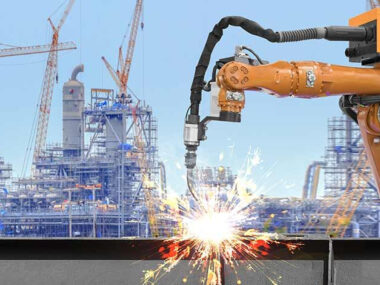
In industries where precision is paramount, tools like CNC machines, laser cutters, and robotic arms become critical. These machines enable manufacturers to produce components with exacting tolerances. Whether you’re working with metal, plastic, or composite materials, these fabrication tools ensure every part is made to specification.
Consider the case of aerospace manufacturing, where even the smallest deviation from design can compromise safety. Precision fabrication tools allow engineers to create lightweight, high-strength components that meet strict regulatory standards, ensuring both safety and performance.
3. Advanced Material Handling Systems
Material handling systems are essential for moving large quantities of materials across vast industrial sites. These systems include conveyor belts, forklifts, automated guided vehicles (AGVs), and overhead cranes. They help streamline logistics, reduce labor costs, and improve safety by automating the movement of materials.
For instance, AGVs equipped with advanced sensors can navigate through warehouse floors, transporting materials without human intervention. This automation improves efficiency while reducing the risk of human error and accidents.
4. State-of-the-Art Monitoring Systems
In today’s data-driven world, monitoring equipment is more important than ever. Smart sensors, IoT-enabled devices, and real-time data collection tools allow project managers to monitor machinery health, energy consumption, and operational efficiency from anywhere.
For example, predictive maintenance systems use sensors to track the condition of equipment and predict potential failures. This real-time information enables maintenance teams to address issues before they cause unplanned downtime, reducing the risk of delays.
5. High-Capacity Energy Solutions
Energy is a critical component of any industrial project. Whether it’s powering construction equipment, running an oil refinery, or operating a manufacturing plant, reliable energy solutions are essential. Portable generators, advanced power grids, and renewable energy sources like solar panels can help ensure uninterrupted power supply to keep projects running smoothly.
With an increased focus on sustainability, many large-scale projects are turning to hybrid or solar-powered energy systems to reduce dependence on fossil fuels. This shift not only supports environmental goals but also provides cost savings in the long term.
Why Choosing the Right Equipment Transforms Your Projects
Choosing the right equipment for your industrial projects isn’t just about the upfront cost—it’s about setting yourself up for long-term success. Well-chosen machinery minimizes unexpected breakdowns, enhances operational efficiency, and ultimately provides a better return on investment (ROI).
Think of it this way: A single day of downtime on a construction site can cost thousands—or even millions—of dollars. In comparison, investing in robust, reliable equipment is a small price to pay to avoid such catastrophic events.
Furthermore, using the right equipment allows for more efficient project management. With the ability to trust that your machines are performing at their best, you can focus on other areas of the project, knowing that productivity and safety are optimized.
How to Select the Perfect Equipment for Your Needs
Selecting the right equipment is not a decision that should be taken lightly. It requires careful thought and analysis of your project’s unique requirements.
1. Understand Your Project Requirements
Every industrial project is different, so it’s important to understand the specific tasks your equipment will be performing. Do you need to lift heavy materials? Perform precision work? Optimize energy efficiency? Each requirement should influence the type of equipment you choose.
2. Research and Compare Brands
Before making any purchase, it’s essential to compare different brands, models, and manufacturers. Reading reviews, consulting with experts, and analyzing performance metrics will help you make a more informed decision.
3. Prioritize Scalability
As your project grows, your equipment needs will evolve. It’s important to choose machinery that can scale with your project, ensuring that it remains useful as your operations expand.
4. Consult with Industry Experts
One of the best ways to ensure you’re choosing the right equipment is to consult with industry experts or engineers who have experience with similar projects. Their insights can help you make more confident decisions and avoid potential pitfalls.
The Future of Engineering Equipment: What Lies Ahead?
The engineering equipment industry is undergoing significant changes, driven by rapid technological advancements. Automation, artificial intelligence, and sustainable design are all shaping the future of industrial equipment.
1. AI and Automation
Artificial intelligence (AI) is already being integrated into equipment to automate processes and enhance efficiency. From predictive maintenance to autonomous vehicles on construction sites, AI is making engineering equipment smarter and more capable.
2. Sustainable Designs
Sustainability is becoming a focal point in equipment design. Many leading manufacturers are focusing on creating machines that consume less energy, produce fewer emissions, and reduce waste. These innovations will help ensure that industrial projects can continue to meet both operational and environmental goals.
Wrapping It Up: Your Roadmap to Project Success
The right engineering equipment isn’t just a luxury—it’s essential for achieving success in large-scale industrial projects. From improving productivity and ensuring safety to reducing costs and minimizing downtime, the equipment you choose will play a central role in the outcome of your project.
Are you ready to elevate your industrial projects? By choosing cutting-edge equipment that meets your specific needs, you’re investing in the future of your business. Don’t let outdated equipment slow you down—take advantage of the latest tools, technologies, and systems to stay ahead of the competition.
For more insights and resources on engineering equipment, visit [yourblogname.com] and explore expert guides tailored to your specific industry needs.
FAQs
1. How can I choose the right equipment for my industrial project?
Choosing the right equipment requires an understanding of your project’s unique needs. Consider factors like performance, precision, durability, energy efficiency, and ease of maintenance. Always research and compare brands before making a decision.
2. Is it better to buy new or refurbished equipment for large industrial projects?
New equipment often comes with the latest technology and warranties, but refurbished equipment can offer significant cost savings. Consider the age of the equipment, its history, and any potential risks before deciding.
3. How does automation impact the future of engineering equipment?
Automation enhances the efficiency, accuracy, and safety of industrial projects. By integrating AI and robotics into equipment, manufacturers can automate tasks that were previously labor-intensive, reducing human error and increasing productivity.
4. What are some sustainable equipment options for industrial projects?
Energy-efficient equipment like hybrid construction machines, solar-powered systems, and low-emission vehicles are becoming more common in the industry. These innovations help reduce energy consumption and environmental impact while maintaining high performance.


 admin
admin